Buy wwtms.com ?
We are moving the project
wwtms.com .
Are you interested in purchasing the domain
wwtms.com ?
domain@kv-gmbh.de · 0541-91531010
Buy wwtms.com ?
Is taxonomy the same as systematics?
Taxonomy and systematics are related fields within biology, but they are not the same. Taxonomy is the science of naming, defining, and classifying organisms into different categories based on their similarities and differences. Systematics, on the other hand, is the study of the evolutionary relationships between different organisms, including their classification and the reconstruction of their evolutionary history. While taxonomy focuses on the naming and categorization of organisms, systematics delves deeper into understanding the evolutionary relationships and patterns among different species. **
Can one create family trees and cladograms using taxonomy?
Yes, one can create family trees and cladograms using taxonomy. Taxonomy is the science of classifying organisms into different categories based on their characteristics and evolutionary relationships. By organizing organisms into groups based on their similarities and differences, taxonomists can create family trees that show the evolutionary history and relationships between different species. Cladograms, which are branching diagrams that show these relationships, can also be constructed using taxonomic data to visually represent the evolutionary history of a group of organisms. **

Similar search terms for Taxonomy
Top-Angebote
Products related to Taxonomy:
-
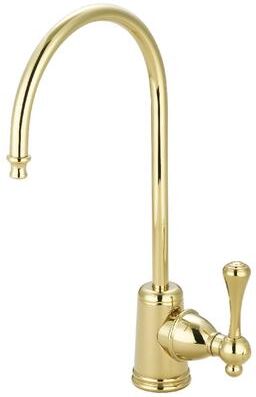
Kingston Continental Water Filtration FaucetAllow this faucet to provide you with instant, crystal clear drinking water while reducing plastic waste. Ergonomically designed, it will enhance your kitchen's modern theme while adding functionality.77,97 $*Shipping: 0,00 $Secure redirect to the provider
-
Uplifted Goods Electrolytic Hypochlorous Acid Water Maker For Home Disinfection greenTransform ordinary water and salt into a powerful cleaner with this hypochlorous acid generator. Using safe electrolysis technology, it creates an eco friendly disinfectant you can use throughout your home. Compact and easy to use, this sodium...34,97 $*Shipping: 0,00 $Secure redirect to the provider
-
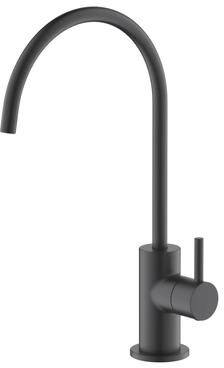
Kibi USA Circular Water Filtration FaucetDesign to connect to a range of concealed under-counter water filtration systems, including simple filtration systems, Reverse Osmosis, Alkaline Ionizer, Activated Carbon, and UV Filters (not included).72,49 $*Shipping: 0,00 $Secure redirect to the provider
-
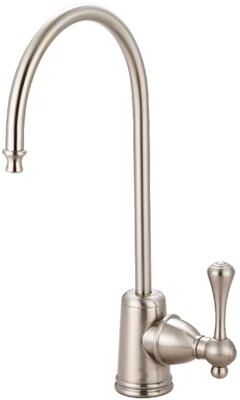
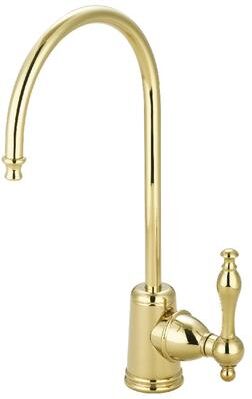
Kingston Vintage Water Filtration FaucetAllow this faucet to provide you with instant, crystal clear drinking water while reducing plastic waste. Ergonomically designed, it will enhance your kitchen's traditional theme while adding functionality.129,97 $*Shipping: 0,00 $Secure redirect to the provider


-
Can one create phylogenetic trees and cladograms using taxonomy?
Yes, one can create phylogenetic trees and cladograms using taxonomy. Taxonomy, the science of classifying organisms based on shared characteristics, forms the basis for constructing phylogenetic trees and cladograms. By organizing organisms into groups based on their evolutionary relationships, taxonomic classifications can be used to create visual representations of these relationships in the form of phylogenetic trees and cladograms. These tools help researchers understand the evolutionary history and relatedness of different species. **
-
What is the difference between taxonomy and nomenclature in systematics?
Taxonomy is the science of classifying and naming organisms based on their characteristics and evolutionary relationships. It involves identifying, describing, and naming species, as well as organizing them into hierarchical categories like genus and family. Nomenclature, on the other hand, is the system of rules and conventions for naming organisms. It includes the specific rules for assigning scientific names to organisms, ensuring that each species has a unique and universally recognized name. In summary, taxonomy is the science of classification, while nomenclature is the system of naming within that classification system. **
-
Why does the WordPress custom taxonomy not appear in the Gutenberg editor?
The WordPress custom taxonomy does not appear in the Gutenberg editor by default because the Gutenberg editor is designed to primarily handle content creation and editing, while taxonomies are more related to organizing and categorizing content. However, developers can enable the display of custom taxonomies in the Gutenberg editor by using custom code or plugins to integrate the taxonomies into the editor interface. This allows users to easily assign and manage taxonomy terms for their content within the Gutenberg editor. **
-
What is the name of the water filtration system at Wasserweik water station?
The water filtration system at Wasserweik water station is called the AquaPure filtration system. This advanced system is designed to remove impurities and contaminants from the water, ensuring that the water supplied to the community is clean and safe for consumption. The AquaPure filtration system is known for its efficiency and reliability in providing high-quality drinking water to the residents of Wasserweik. **

Why can saline solution not be separated into salt and water by filtration?
Saline solution cannot be separated into salt and water by filtration because the salt is dissolved in the water at a molecular level, meaning the salt particles are too small to be caught by the filter. Filtration works by trapping solid particles in a filter, but since the salt is dissolved, it passes through the filter along with the water. To separate the salt from the water in a saline solution, a process such as evaporation or distillation would be needed to remove the water and leave the salt behind. **
How does suspension filtration work?
Suspension filtration works by passing a mixture of solid particles and liquid through a filter medium. The solid particles are too large to pass through the filter, so they are retained on the surface or within the pores of the filter. The liquid, which is now free of the solid particles, passes through the filter and is collected on the other side. This process separates the solid particles from the liquid, allowing for the purification or concentration of the liquid. **
Top-Angebote
Products related to Taxonomy:
-
DRINKPOD Hydrate Mineral Spring Countertop Water Filtration Purification System, 4 Stage Water Filter, Water Dispenser**Upgrade Your Drinking Water with a Premium Tabletop Water Dispenser** Enhance your hydration experience with a high-quality tabletop water dispenser that provides refreshingly pure water at your fingertips.113,15 $*Shipping: 0,00 $Secure redirect to the provider
-
Kingston Vintage Water Filtration FaucetAllow this faucet to provide you with instant, crystal clear drinking water while reducing plastic waste. Ergonomically designed, it will enhance your kitchen's traditional theme while adding functionality.129,97 $*Shipping: 0,00 $Secure redirect to the provider
-
Kingston Continental Water Filtration FaucetAllow this faucet to provide you with instant, crystal clear drinking water while reducing plastic waste. Ergonomically designed, it will enhance your kitchen's modern theme while adding functionality.77,97 $*Shipping: 0,00 $Secure redirect to the provider
-
Uplifted Goods Electrolytic Hypochlorous Acid Water Maker For Home Disinfection greenTransform ordinary water and salt into a powerful cleaner with this hypochlorous acid generator. Using safe electrolysis technology, it creates an eco friendly disinfectant you can use throughout your home. Compact and easy to use, this sodium...34,97 $*Shipping: 0,00 $Secure redirect to the provider
-
Is taxonomy the same as systematics?
Taxonomy and systematics are related fields within biology, but they are not the same. Taxonomy is the science of naming, defining, and classifying organisms into different categories based on their similarities and differences. Systematics, on the other hand, is the study of the evolutionary relationships between different organisms, including their classification and the reconstruction of their evolutionary history. While taxonomy focuses on the naming and categorization of organisms, systematics delves deeper into understanding the evolutionary relationships and patterns among different species. **
-
Can one create family trees and cladograms using taxonomy?
Yes, one can create family trees and cladograms using taxonomy. Taxonomy is the science of classifying organisms into different categories based on their characteristics and evolutionary relationships. By organizing organisms into groups based on their similarities and differences, taxonomists can create family trees that show the evolutionary history and relationships between different species. Cladograms, which are branching diagrams that show these relationships, can also be constructed using taxonomic data to visually represent the evolutionary history of a group of organisms. **
-
Can one create phylogenetic trees and cladograms using taxonomy?
Yes, one can create phylogenetic trees and cladograms using taxonomy. Taxonomy, the science of classifying organisms based on shared characteristics, forms the basis for constructing phylogenetic trees and cladograms. By organizing organisms into groups based on their evolutionary relationships, taxonomic classifications can be used to create visual representations of these relationships in the form of phylogenetic trees and cladograms. These tools help researchers understand the evolutionary history and relatedness of different species. **
-
What is the difference between taxonomy and nomenclature in systematics?
Taxonomy is the science of classifying and naming organisms based on their characteristics and evolutionary relationships. It involves identifying, describing, and naming species, as well as organizing them into hierarchical categories like genus and family. Nomenclature, on the other hand, is the system of rules and conventions for naming organisms. It includes the specific rules for assigning scientific names to organisms, ensuring that each species has a unique and universally recognized name. In summary, taxonomy is the science of classification, while nomenclature is the system of naming within that classification system. **
Similar search terms for Taxonomy
-
Kibi USA Circular Water Filtration FaucetDesign to connect to a range of concealed under-counter water filtration systems, including simple filtration systems, Reverse Osmosis, Alkaline Ionizer, Activated Carbon, and UV Filters (not included).72,49 $*Shipping: 0,00 $Secure redirect to the provider
-
Kingston Vintage Water Filtration FaucetAllow this faucet to provide you with instant, crystal clear drinking water while reducing plastic waste. Ergonomically designed, it will enhance your kitchen's traditional theme while adding functionality.129,97 $*Shipping: 0,00 $Secure redirect to the provider
-
Kingston Brass Victorian Water Filtration FaucetAllow this faucet to provide you with instant, crystal clear drinking water while reducing plastic waste. Ergonomically designed, it will enhance your kitchen's traditional theme while adding functionality.90,97 $*Shipping: 0,00 $Secure redirect to the provider
-
Kingston Brass Naples Water Filtration FaucetAllow this faucet to provide you with instant, crystal clear drinking water while reducing plastic waste. Ergonomically designed, it will enhance your kitchen's traditional theme while adding functionality.120,22 $*Shipping: 0,00 $Secure redirect to the provider
-
Why does the WordPress custom taxonomy not appear in the Gutenberg editor?
The WordPress custom taxonomy does not appear in the Gutenberg editor by default because the Gutenberg editor is designed to primarily handle content creation and editing, while taxonomies are more related to organizing and categorizing content. However, developers can enable the display of custom taxonomies in the Gutenberg editor by using custom code or plugins to integrate the taxonomies into the editor interface. This allows users to easily assign and manage taxonomy terms for their content within the Gutenberg editor. **
-
What is the name of the water filtration system at Wasserweik water station?
The water filtration system at Wasserweik water station is called the AquaPure filtration system. This advanced system is designed to remove impurities and contaminants from the water, ensuring that the water supplied to the community is clean and safe for consumption. The AquaPure filtration system is known for its efficiency and reliability in providing high-quality drinking water to the residents of Wasserweik. **
-
Why can saline solution not be separated into salt and water by filtration?
Saline solution cannot be separated into salt and water by filtration because the salt is dissolved in the water at a molecular level, meaning the salt particles are too small to be caught by the filter. Filtration works by trapping solid particles in a filter, but since the salt is dissolved, it passes through the filter along with the water. To separate the salt from the water in a saline solution, a process such as evaporation or distillation would be needed to remove the water and leave the salt behind. **
-
How does suspension filtration work?
Suspension filtration works by passing a mixture of solid particles and liquid through a filter medium. The solid particles are too large to pass through the filter, so they are retained on the surface or within the pores of the filter. The liquid, which is now free of the solid particles, passes through the filter and is collected on the other side. This process separates the solid particles from the liquid, allowing for the purification or concentration of the liquid. **
* All prices are inclusive of VAT and, if applicable, plus shipping costs. The offer information is based on the details provided by the respective shop and is updated through automated processes. Real-time updates do not occur, so deviations can occur in individual cases. ** Note: Parts of this content were created by AI.