Buy wwtms.com ?
We are moving the project
wwtms.com .
Are you interested in purchasing the domain
wwtms.com ?
domain@kv-gmbh.de · 0541-91531010
Buy wwtms.com ?
What are the differences between respiratory muscles and accessory respiratory muscles?
Respiratory muscles are the primary muscles involved in the process of breathing, including the diaphragm and intercostal muscles. These muscles are essential for the expansion and contraction of the lungs during inhalation and exhalation. On the other hand, accessory respiratory muscles are secondary muscles that can assist in breathing when the primary respiratory muscles are under increased demand or compromised. Accessory respiratory muscles include muscles in the neck, shoulders, and chest, and they help to further expand the chest cavity and aid in breathing during times of increased respiratory effort or when there is airway obstruction. **
What is respiratory depression?
Respiratory depression is a condition in which a person's breathing becomes dangerously slow or shallow, leading to decreased oxygen levels in the blood. This can be caused by the use of certain medications, such as opioids or sedatives, which can suppress the body's natural drive to breathe. Respiratory depression can be life-threatening and requires immediate medical attention. Symptoms may include confusion, drowsiness, and bluish skin or lips. **


Similar search terms for Respiratory
Top-Angebote
Products related to Respiratory:
-
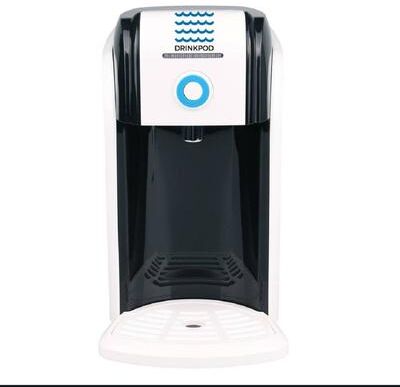
DRINKPOD Hydrate Mineral Spring Countertop Water Filtration Purification System, 4 Stage Water Filter, Water Dispenser**Upgrade Your Drinking Water with a Premium Tabletop Water Dispenser** Enhance your hydration experience with a high-quality tabletop water dispenser that provides refreshingly pure water at your fingertips.113,15 $*Shipping: 0,00 $Secure redirect to the provider
-
Healfit Counter Respiratory Silicone Breathing Trainer, Lung Respirator, Fitness Equipment, High Altitude Training, Outdoor Expiratory blackEnhance your respiratory performance with our Breathing Trainer Lung Respirator Fitness Equipment. Designed for athletes, outdoor enthusiasts, and anyone seeking improved lung capacity, this Respiratory Silicone High Altitude Training Outdoor...27,97 $*Shipping: 0,00 $Secure redirect to the provider
-
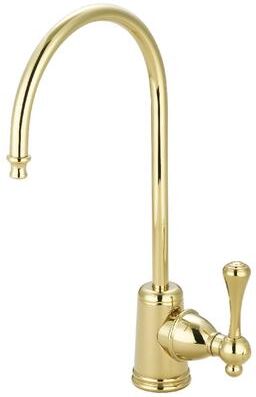
Kingston Vintage Water Filtration FaucetAllow this faucet to provide you with instant, crystal clear drinking water while reducing plastic waste. Ergonomically designed, it will enhance your kitchen's traditional theme while adding functionality.129,97 $*Shipping: 0,00 $Secure redirect to the provider
-
Kingston Continental Water Filtration FaucetAllow this faucet to provide you with instant, crystal clear drinking water while reducing plastic waste. Ergonomically designed, it will enhance your kitchen's modern theme while adding functionality.77,97 $*Shipping: 0,00 $Secure redirect to the provider


-
What is the respiratory chain?
The respiratory chain is a series of protein complexes located in the inner mitochondrial membrane that are involved in the production of ATP, the cell's main energy source. These complexes work together to transfer electrons from molecules like NADH and FADH2 to oxygen, generating a proton gradient across the membrane. This proton gradient is used by ATP synthase to produce ATP through a process called oxidative phosphorylation. The respiratory chain is a crucial component of cellular respiration and plays a key role in generating energy for various cellular processes. **
-
What is the respiratory quotient?
The respiratory quotient (RQ) is a ratio that represents the amount of carbon dioxide produced to the amount of oxygen consumed during cellular respiration. It provides information about the type of fuel being used by the body for energy production. An RQ of 1 indicates that carbohydrates are the primary fuel source, while an RQ of 0.7 indicates that fats are being used. The RQ can vary depending on the metabolic state of an individual, such as during exercise or fasting. **
-
Can you dye respiratory masks?
Yes, you can dye respiratory masks, but it is important to use dyes that are safe and non-toxic, as the mask will be worn close to the face and may come into contact with the skin. It is also important to follow the manufacturer's instructions for washing and care, as some dyes may affect the effectiveness of the mask's filtration. Additionally, be mindful of any regulations or guidelines regarding the coloring of respiratory masks, especially if they are being used in a professional or medical setting. **
-
What is the respiratory system?
The respiratory system is a network of organs and tissues that work together to help us breathe. It includes the nose, mouth, throat, voice box, windpipe, and lungs. The main function of the respiratory system is to take in oxygen from the air and expel carbon dioxide, a waste product of the body's cells. This process is essential for the body to function properly and for the cells to produce energy. **


How is respiratory protection at the fire department after an eye laser treatment?
After an eye laser treatment, it is important to avoid exposure to smoke, dust, and other airborne particles that could irritate the eyes. Therefore, it is crucial for firefighters to wear appropriate respiratory protection, such as masks or respirators, to prevent any potential irritation or damage to the eyes. Additionally, it is important for firefighters to communicate with their supervisors and medical professionals about their recent eye laser treatment to ensure that they are provided with the necessary accommodations and equipment to protect their eyes and respiratory system while on duty. **
How does the respiratory chain work?
The respiratory chain, also known as the electron transport chain, is a series of protein complexes located in the inner mitochondrial membrane. It plays a crucial role in the production of ATP, the cell's main energy source. The respiratory chain works by transferring electrons from electron donors (such as NADH and FADH2) to electron acceptors (such as oxygen) through a series of redox reactions. As electrons move through the chain, they release energy that is used to pump protons across the inner mitochondrial membrane, creating an electrochemical gradient. This gradient drives the ATP synthase enzyme to produce ATP from ADP and inorganic phosphate. In the final step of the respiratory chain, oxygen serves as the final electron acceptor, combining with protons to form water. Overall, the respiratory chain is responsible for generating the majority of ATP in aerobic organisms by harnessing the energy released from the transfer of electrons to create a proton gradient that drives ATP synthesis. **
Top-Angebote
Products related to Respiratory:
-
Anota Triflo II Respiratory ApparatusHealth and Beauty Orthopedics Anota Triflo II Respiratory Apparatus The Triflo is a respiratory incentive spirometer. It strengthens respiratory muscles and is indicated for patients with chronic bronchitis. Instructions for use: - Get into a semi-sitting or sitting position - Position the Spirometric Incentive (triflo) at face level - Exhale normally, sealing your lips around the Triflo mouthpiece - Breathe slowly and deeply to raise 1 or 2 cylinders and hold the inspiration without the cylinders falling for a few seconds (up to 6 seconds) - Repeat the procedure 10 to 15 times every hour.15,57 £*Shipping: 4,99 £Secure redirect to the provider
-
Healfit Counter Inspiratory Spirometry Trainer Breath Measure Tool, Professional Breathing Lung Exerciser Respiratory, 3 Ball System Inspiratory Spirometry Trainer Breath Measure Tool, Professional Breathing Lung Exerciser Respiratory, 3 Ball SystemUnlock Your Full Respiratory Potential Are you seeking to enhance your lung health, boost stamina, or accelerate postop recovery Discover the ultimate, professionalgrade Breathing Lung Exerciser Respiratory device. Designed for athletes, singers,...29,97 $*Shipping: 0,00 $Secure redirect to the provider
-
DRINKPOD Hydrate Mineral Spring Countertop Water Filtration Purification System, 4 Stage Water Filter, Water Dispenser**Upgrade Your Drinking Water with a Premium Tabletop Water Dispenser** Enhance your hydration experience with a high-quality tabletop water dispenser that provides refreshingly pure water at your fingertips.113,15 $*Shipping: 0,00 $Secure redirect to the provider
-
Healfit Counter Respiratory Silicone Breathing Trainer, Lung Respirator, Fitness Equipment, High Altitude Training, Outdoor Expiratory blackEnhance your respiratory performance with our Breathing Trainer Lung Respirator Fitness Equipment. Designed for athletes, outdoor enthusiasts, and anyone seeking improved lung capacity, this Respiratory Silicone High Altitude Training Outdoor...27,97 $*Shipping: 0,00 $Secure redirect to the provider
-
What are the differences between respiratory muscles and accessory respiratory muscles?
Respiratory muscles are the primary muscles involved in the process of breathing, including the diaphragm and intercostal muscles. These muscles are essential for the expansion and contraction of the lungs during inhalation and exhalation. On the other hand, accessory respiratory muscles are secondary muscles that can assist in breathing when the primary respiratory muscles are under increased demand or compromised. Accessory respiratory muscles include muscles in the neck, shoulders, and chest, and they help to further expand the chest cavity and aid in breathing during times of increased respiratory effort or when there is airway obstruction. **
-
What is respiratory depression?
Respiratory depression is a condition in which a person's breathing becomes dangerously slow or shallow, leading to decreased oxygen levels in the blood. This can be caused by the use of certain medications, such as opioids or sedatives, which can suppress the body's natural drive to breathe. Respiratory depression can be life-threatening and requires immediate medical attention. Symptoms may include confusion, drowsiness, and bluish skin or lips. **
-
What is the respiratory chain?
The respiratory chain is a series of protein complexes located in the inner mitochondrial membrane that are involved in the production of ATP, the cell's main energy source. These complexes work together to transfer electrons from molecules like NADH and FADH2 to oxygen, generating a proton gradient across the membrane. This proton gradient is used by ATP synthase to produce ATP through a process called oxidative phosphorylation. The respiratory chain is a crucial component of cellular respiration and plays a key role in generating energy for various cellular processes. **
-
What is the respiratory quotient?
The respiratory quotient (RQ) is a ratio that represents the amount of carbon dioxide produced to the amount of oxygen consumed during cellular respiration. It provides information about the type of fuel being used by the body for energy production. An RQ of 1 indicates that carbohydrates are the primary fuel source, while an RQ of 0.7 indicates that fats are being used. The RQ can vary depending on the metabolic state of an individual, such as during exercise or fasting. **
Similar search terms for Respiratory
-
Kingston Vintage Water Filtration FaucetAllow this faucet to provide you with instant, crystal clear drinking water while reducing plastic waste. Ergonomically designed, it will enhance your kitchen's traditional theme while adding functionality.129,97 $*Shipping: 0,00 $Secure redirect to the provider
-
Kingston Continental Water Filtration FaucetAllow this faucet to provide you with instant, crystal clear drinking water while reducing plastic waste. Ergonomically designed, it will enhance your kitchen's modern theme while adding functionality.77,97 $*Shipping: 0,00 $Secure redirect to the provider
-
Uplifted Goods Electrolytic Hypochlorous Acid Water Maker For Home Disinfection greenTransform ordinary water and salt into a powerful cleaner with this hypochlorous acid generator. Using safe electrolysis technology, it creates an eco friendly disinfectant you can use throughout your home. Compact and easy to use, this sodium...34,97 $*Shipping: 0,00 $Secure redirect to the provider
-
Healfit Counter Respiratory Silicone Breathing Trainer, Lung Respirator, Fitness Equipment, High Altitude Training, Outdoor Expiratory whiteEnhance your respiratory performance with our Breathing Trainer Lung Respirator Fitness Equipment. Designed for athletes, outdoor enthusiasts, and anyone seeking improved lung capacity, this Respiratory Silicone High Altitude Training Outdoor...27,97 $*Shipping: 0,00 $Secure redirect to the provider
-
Can you dye respiratory masks?
Yes, you can dye respiratory masks, but it is important to use dyes that are safe and non-toxic, as the mask will be worn close to the face and may come into contact with the skin. It is also important to follow the manufacturer's instructions for washing and care, as some dyes may affect the effectiveness of the mask's filtration. Additionally, be mindful of any regulations or guidelines regarding the coloring of respiratory masks, especially if they are being used in a professional or medical setting. **
-
What is the respiratory system?
The respiratory system is a network of organs and tissues that work together to help us breathe. It includes the nose, mouth, throat, voice box, windpipe, and lungs. The main function of the respiratory system is to take in oxygen from the air and expel carbon dioxide, a waste product of the body's cells. This process is essential for the body to function properly and for the cells to produce energy. **
-
How is respiratory protection at the fire department after an eye laser treatment?
After an eye laser treatment, it is important to avoid exposure to smoke, dust, and other airborne particles that could irritate the eyes. Therefore, it is crucial for firefighters to wear appropriate respiratory protection, such as masks or respirators, to prevent any potential irritation or damage to the eyes. Additionally, it is important for firefighters to communicate with their supervisors and medical professionals about their recent eye laser treatment to ensure that they are provided with the necessary accommodations and equipment to protect their eyes and respiratory system while on duty. **
-
How does the respiratory chain work?
The respiratory chain, also known as the electron transport chain, is a series of protein complexes located in the inner mitochondrial membrane. It plays a crucial role in the production of ATP, the cell's main energy source. The respiratory chain works by transferring electrons from electron donors (such as NADH and FADH2) to electron acceptors (such as oxygen) through a series of redox reactions. As electrons move through the chain, they release energy that is used to pump protons across the inner mitochondrial membrane, creating an electrochemical gradient. This gradient drives the ATP synthase enzyme to produce ATP from ADP and inorganic phosphate. In the final step of the respiratory chain, oxygen serves as the final electron acceptor, combining with protons to form water. Overall, the respiratory chain is responsible for generating the majority of ATP in aerobic organisms by harnessing the energy released from the transfer of electrons to create a proton gradient that drives ATP synthesis. **
* All prices are inclusive of VAT and, if applicable, plus shipping costs. The offer information is based on the details provided by the respective shop and is updated through automated processes. Real-time updates do not occur, so deviations can occur in individual cases. ** Note: Parts of this content were created by AI.