Buy wwtms.com ?
We are moving the project
wwtms.com .
Are you interested in purchasing the domain
wwtms.com ?
domain@kv-gmbh.de · 0541-91531010
Buy wwtms.com ?
Why do hot water pipes calcify more easily than pipes for cold water?
Hot water pipes tend to calcify more easily than pipes for cold water because the heat in the water causes minerals like calcium and magnesium to precipitate out of the water and form deposits on the inner walls of the pipes. This process is known as scaling or calcification. The higher temperature of the water speeds up the chemical reactions that lead to the formation of these deposits, making hot water pipes more prone to calcification compared to cold water pipes. Additionally, the constant flow of hot water through the pipes can contribute to the build-up of scale over time. **
Can water pipes be descaled?
Yes, water pipes can be descaled. Over time, mineral deposits can build up inside water pipes, causing reduced water flow and potential damage to the pipes. Descaling is the process of removing these mineral deposits, typically using a descaling solution or mechanical methods such as pipe scraping or hydro jetting. Regular descaling can help maintain the efficiency and longevity of water pipes. **

Similar search terms for Pipes
Top-Angebote
Products related to Pipes:
-
United Premium Stainless Steel Kitchen Cleaning Brush For Water Pipes blueTackle tough kitchen grime effortlessly with the kitchen cleaning brush designed for precision and durability. Perfect for homeowners, chefs, and cleaning enthusiasts, this tool reaches deep into water pipes, drains, and narrow bottles where...34,97 $*Shipping: 0,00 $Secure redirect to the provider
-
Drop Dash Deals Integrated Pipe Threading Tool Kit, External Thread Repair For PVC & Water Pipes Integrated Pipe Threading Tool Kit, External Thread Repair For PVC & Water Pipes"Effortless Thread Repair for Water Pipes Fixing damaged internal threads on faucets, pipes, and connectors is no longer a hassle with our 3 pcs Integrated Internal Thread Pipe Repair Tool. Designed for both 12"" approx and 34"" approx water pipes,..."49,97 $*Shipping: 0,00 $Secure redirect to the provider
-
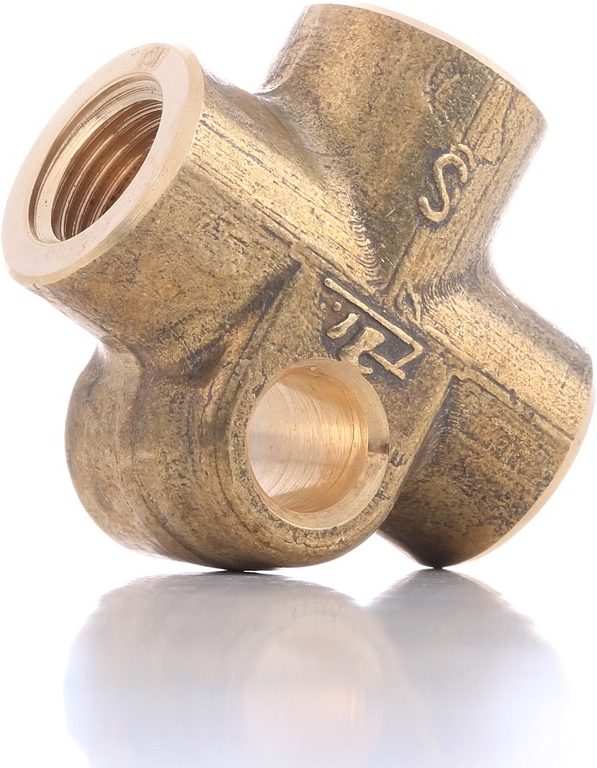
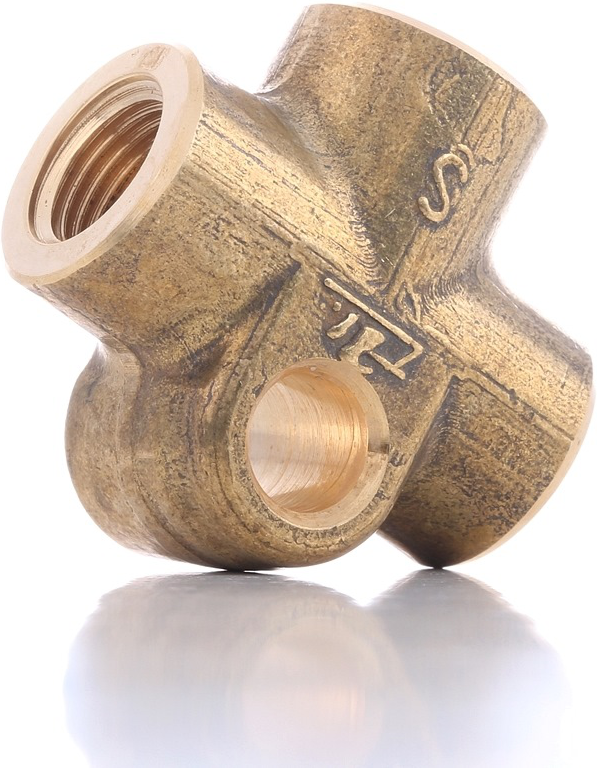
ATE 03.3513-1000.1 Connector, pipesShape: T Shape (T Piece); Number of connectors: 3; Thread Size: M10x1; Thread Type: DIN 74235 Form FL; Fastening Type: Flange mounting; Bore Diameter [mm]: 8,4; Hole Spacing 1/Hole Spacing 2: 8,0/23,0; Length [mm]: 30,012,99 £*Shipping: 8,45 £Secure redirect to the provider



-
Why do hot water pipes tend to calcify more easily than pipes for cold water?
Hot water pipes tend to calcify more easily than pipes for cold water because the heat in the water causes minerals like calcium and magnesium to precipitate out of the water and form deposits on the inside of the pipes. This process is known as scaling or calcification. The higher temperature of the hot water also accelerates the chemical reactions that lead to the formation of these deposits. In contrast, cold water does not promote the same level of mineral buildup, making cold water pipes less prone to calcification. **
-
Why are our water pipes buzzing?
Water pipes may buzz due to a phenomenon called water hammer, which occurs when the flow of water is suddenly stopped or redirected, causing a pressure surge in the pipes. This pressure surge can create vibrations and a buzzing sound as the water tries to navigate through the pipes. Another possible reason for buzzing pipes could be loose or improperly secured pipes, which can vibrate when water flows through them, creating the buzzing noise. It is important to address buzzing pipes promptly to prevent potential damage or leaks in the plumbing system. **
-
Why are the water pipes whistling?
The water pipes may be whistling due to a build-up of pressure in the pipes, causing the water to flow through at a high speed and create a whistling sound. Another possible reason could be a blockage or obstruction in the pipes, causing the water to be forced through a smaller space and creating the whistling noise. It is important to investigate the cause of the whistling pipes to prevent any potential damage or issues with the plumbing system. **
-
Do these water pipes contain lead?
Without further information or testing, it is impossible to determine if these water pipes contain lead. Lead pipes were commonly used in plumbing systems in the past, so it is possible that older pipes may contain lead. To confirm if the water pipes contain lead, a professional inspection or testing of the pipes would be necessary. Lead in drinking water can be harmful to health, so it is important to address any concerns about lead in water pipes promptly. **

Why are our water pipes humming?
Water pipes can hum for a few different reasons. One common cause is water pressure that is too high, which can create vibrations in the pipes and cause them to hum. Another possibility is that the pipes are not properly secured and are vibrating against the surrounding structure. Additionally, air bubbles or sediment buildup in the pipes can also cause humming or vibrating noises. It's important to address the issue promptly, as prolonged humming can lead to damage or leaks in the plumbing system. **
What about the old water pipes?
The old water pipes are a concern because they may be more prone to leaks, corrosion, and contamination. Over time, old pipes can deteriorate and affect the quality of the water supply. It is important to regularly inspect and maintain old water pipes to ensure they are functioning properly and to prevent any potential health hazards. In some cases, it may be necessary to replace old water pipes with newer, more durable materials to ensure the safety and reliability of the water supply. **
Top-Angebote
Products related to Pipes:
-
Drop Dash Deals Stainless Steel Sanitary Sampling Valve For Water Oil Wine Pipes Stainless Steel Sanitary Sampling Valve For Water Oil Wine PipesGet cleaner, easier sampling without interrupting your workflow. This 1 pc of sanitary sampling valve is designed for water pipes, oil lines, wine cans, and similar liquid systems where dependable sampling matters. Made with durable stainless steel,...53,97 $*Shipping: 0,00 $Secure redirect to the provider
-
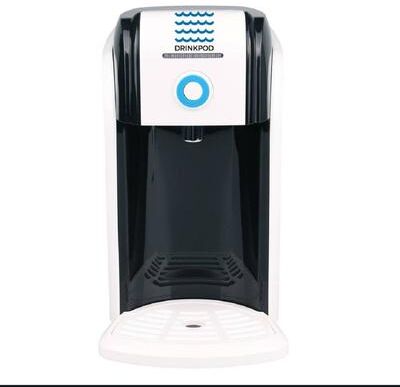
DRINKPOD Hydrate Mineral Spring Countertop Water Filtration Purification System, 4 Stage Water Filter, Water Dispenser**Upgrade Your Drinking Water with a Premium Tabletop Water Dispenser** Enhance your hydration experience with a high-quality tabletop water dispenser that provides refreshingly pure water at your fingertips.113,15 $*Shipping: 0,00 $Secure redirect to the provider
-
United Premium Stainless Steel Kitchen Cleaning Brush For Water Pipes blueTackle tough kitchen grime effortlessly with the kitchen cleaning brush designed for precision and durability. Perfect for homeowners, chefs, and cleaning enthusiasts, this tool reaches deep into water pipes, drains, and narrow bottles where...34,97 $*Shipping: 0,00 $Secure redirect to the provider
-
Drop Dash Deals Integrated Pipe Threading Tool Kit, External Thread Repair For PVC & Water Pipes Integrated Pipe Threading Tool Kit, External Thread Repair For PVC & Water Pipes"Effortless Thread Repair for Water Pipes Fixing damaged internal threads on faucets, pipes, and connectors is no longer a hassle with our 3 pcs Integrated Internal Thread Pipe Repair Tool. Designed for both 12"" approx and 34"" approx water pipes,..."49,97 $*Shipping: 0,00 $Secure redirect to the provider
-
Why do hot water pipes calcify more easily than pipes for cold water?
Hot water pipes tend to calcify more easily than pipes for cold water because the heat in the water causes minerals like calcium and magnesium to precipitate out of the water and form deposits on the inner walls of the pipes. This process is known as scaling or calcification. The higher temperature of the water speeds up the chemical reactions that lead to the formation of these deposits, making hot water pipes more prone to calcification compared to cold water pipes. Additionally, the constant flow of hot water through the pipes can contribute to the build-up of scale over time. **
-
Can water pipes be descaled?
Yes, water pipes can be descaled. Over time, mineral deposits can build up inside water pipes, causing reduced water flow and potential damage to the pipes. Descaling is the process of removing these mineral deposits, typically using a descaling solution or mechanical methods such as pipe scraping or hydro jetting. Regular descaling can help maintain the efficiency and longevity of water pipes. **
-
Why do hot water pipes tend to calcify more easily than pipes for cold water?
Hot water pipes tend to calcify more easily than pipes for cold water because the heat in the water causes minerals like calcium and magnesium to precipitate out of the water and form deposits on the inside of the pipes. This process is known as scaling or calcification. The higher temperature of the hot water also accelerates the chemical reactions that lead to the formation of these deposits. In contrast, cold water does not promote the same level of mineral buildup, making cold water pipes less prone to calcification. **
-
Why are our water pipes buzzing?
Water pipes may buzz due to a phenomenon called water hammer, which occurs when the flow of water is suddenly stopped or redirected, causing a pressure surge in the pipes. This pressure surge can create vibrations and a buzzing sound as the water tries to navigate through the pipes. Another possible reason for buzzing pipes could be loose or improperly secured pipes, which can vibrate when water flows through them, creating the buzzing noise. It is important to address buzzing pipes promptly to prevent potential damage or leaks in the plumbing system. **
Similar search terms for Pipes
-
ATE 03.3513-1000.1 Connector, pipesShape: T Shape (T Piece); Number of connectors: 3; Thread Size: M10x1; Thread Type: DIN 74235 Form FL; Fastening Type: Flange mounting; Bore Diameter [mm]: 8,4; Hole Spacing 1/Hole Spacing 2: 8,0/23,0; Length [mm]: 30,012,99 £*Shipping: 8,45 £Secure redirect to the provider
-
Why are the water pipes whistling?
The water pipes may be whistling due to a build-up of pressure in the pipes, causing the water to flow through at a high speed and create a whistling sound. Another possible reason could be a blockage or obstruction in the pipes, causing the water to be forced through a smaller space and creating the whistling noise. It is important to investigate the cause of the whistling pipes to prevent any potential damage or issues with the plumbing system. **
-
Do these water pipes contain lead?
Without further information or testing, it is impossible to determine if these water pipes contain lead. Lead pipes were commonly used in plumbing systems in the past, so it is possible that older pipes may contain lead. To confirm if the water pipes contain lead, a professional inspection or testing of the pipes would be necessary. Lead in drinking water can be harmful to health, so it is important to address any concerns about lead in water pipes promptly. **
-
Why are our water pipes humming?
Water pipes can hum for a few different reasons. One common cause is water pressure that is too high, which can create vibrations in the pipes and cause them to hum. Another possibility is that the pipes are not properly secured and are vibrating against the surrounding structure. Additionally, air bubbles or sediment buildup in the pipes can also cause humming or vibrating noises. It's important to address the issue promptly, as prolonged humming can lead to damage or leaks in the plumbing system. **
-
What about the old water pipes?
The old water pipes are a concern because they may be more prone to leaks, corrosion, and contamination. Over time, old pipes can deteriorate and affect the quality of the water supply. It is important to regularly inspect and maintain old water pipes to ensure they are functioning properly and to prevent any potential health hazards. In some cases, it may be necessary to replace old water pipes with newer, more durable materials to ensure the safety and reliability of the water supply. **
* All prices are inclusive of VAT and, if applicable, plus shipping costs. The offer information is based on the details provided by the respective shop and is updated through automated processes. Real-time updates do not occur, so deviations can occur in individual cases. ** Note: Parts of this content were created by AI.