Buy wwtms.com ?
We are moving the project
wwtms.com .
Are you interested in purchasing the domain
wwtms.com ?
domain@kv-gmbh.de · 0541-91531010
Buy wwtms.com ?
Do you not find the treatment of invasive species unfair?
The treatment of invasive species is not unfair because they pose a significant threat to native ecosystems, biodiversity, and the economy. Invasive species can outcompete native species for resources, disrupt food chains, and cause habitat destruction. Controlling and managing invasive species is necessary to protect the balance and health of ecosystems. While it may seem harsh to eradicate or control invasive species, it is essential for the preservation of native species and the overall health of the environment. **
Aren't rheas non-invasive?
Rheas are native to South America and are not considered invasive in their natural habitat. However, in some areas outside of their native range, such as in parts of the United States, rheas have been introduced and have the potential to become invasive. In these non-native environments, rheas can compete with native species for resources and disrupt the local ecosystem. Therefore, while rheas are not inherently invasive, their introduction to new areas can pose a threat to local biodiversity. **
Similar search terms for Invasive
Top-Angebote
Products related to Invasive:
-
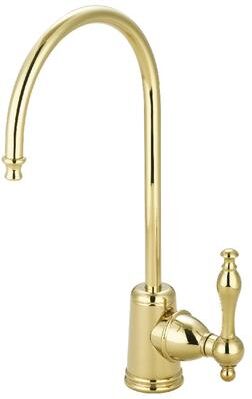
Kingston Continental Water Filtration FaucetAllow this faucet to provide you with instant, crystal clear drinking water while reducing plastic waste. Ergonomically designed, it will enhance your kitchen's modern theme while adding functionality.77,97 $*Shipping: 0,00 $Secure redirect to the provider
-
Uplifted Goods Electrolytic Hypochlorous Acid Water Maker For Home Disinfection greenTransform ordinary water and salt into a powerful cleaner with this hypochlorous acid generator. Using safe electrolysis technology, it creates an eco friendly disinfectant you can use throughout your home. Compact and easy to use, this sodium...34,97 $*Shipping: 0,00 $Secure redirect to the provider
-
Kibi USA Circular Water Filtration FaucetDesign to connect to a range of concealed under-counter water filtration systems, including simple filtration systems, Reverse Osmosis, Alkaline Ionizer, Activated Carbon, and UV Filters (not included).72,49 $*Shipping: 0,00 $Secure redirect to the provider
-
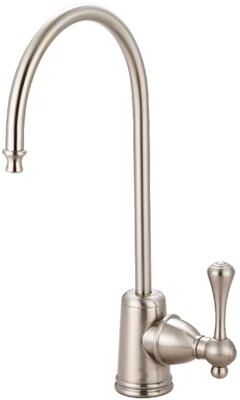
Kingston Vintage Water Filtration FaucetAllow this faucet to provide you with instant, crystal clear drinking water while reducing plastic waste. Ergonomically designed, it will enhance your kitchen's traditional theme while adding functionality.129,97 $*Shipping: 0,00 $Secure redirect to the provider


-
Should invasive species be controlled?
Yes, invasive species should be controlled because they can have negative impacts on native ecosystems, including outcompeting native species, altering habitats, and disrupting ecological processes. This can lead to a loss of biodiversity and ecosystem function. Controlling invasive species can help to protect and restore native ecosystems, which in turn can benefit the overall health of the environment and the species that depend on it. However, it is important to carefully consider the methods used for control to minimize harm to non-target species and the environment. **
-
What are non-invasive medical devices?
Non-invasive medical devices are tools or equipment that do not penetrate the body or break the skin during their use. These devices are designed to diagnose, monitor, or treat medical conditions without the need for surgery or other invasive procedures. Examples of non-invasive medical devices include blood pressure monitors, thermometers, and ultrasound machines. These devices are often preferred by patients and healthcare providers due to their lower risk of complications and ease of use. **
-
Which invasive species are endangering amphibians?
One invasive species that is endangering amphibians is the American bullfrog (Lithobates catesbeianus). These bullfrogs are aggressive predators and compete with native amphibians for resources, leading to declines in native populations. Another invasive species that poses a threat to amphibians is the chytrid fungus (Batrachochytrium dendrobatidis), which causes the disease chytridiomycosis and has been linked to population declines and extinctions of amphibian species worldwide. Both of these invasive species are contributing to the decline of amphibian populations globally. **
-
Is it normal or invasive at work?
It is important to maintain a balance between being friendly and professional in the workplace. It is normal to engage in friendly conversations and build relationships with colleagues, but it becomes invasive when personal boundaries are crossed or when it interferes with productivity. Invasive behavior at work can include prying into personal matters, gossiping, or making inappropriate comments. It is important to be mindful of how our actions and words may be perceived by others in the workplace. **

Is it allowed to catch invasive crayfish species?
In many places, it is allowed to catch invasive crayfish species as they can have a negative impact on the local ecosystem. However, it is important to check local regulations and guidelines before catching any crayfish, as there may be specific rules in place to manage invasive species. It is also important to properly dispose of any caught invasive crayfish to prevent further spread and impact on the environment. **
Which invasive species pose a threat to amphibians?
Some invasive species that pose a threat to amphibians include the American bullfrog, which preys on native amphibians and competes with them for resources. The African clawed frog is another invasive species that can carry diseases harmful to amphibians. The cane toad is known for its toxic skin secretions that can be deadly to predators, including amphibians. These invasive species can disrupt the balance of ecosystems and contribute to the decline of native amphibian populations. **
Top-Angebote
Products related to Invasive:
-
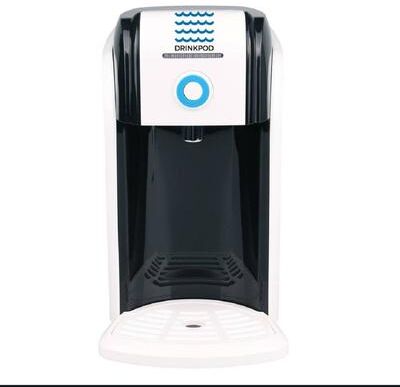
DRINKPOD Hydrate Mineral Spring Countertop Water Filtration Purification System, 4 Stage Water Filter, Water Dispenser**Upgrade Your Drinking Water with a Premium Tabletop Water Dispenser** Enhance your hydration experience with a high-quality tabletop water dispenser that provides refreshingly pure water at your fingertips.113,15 $*Shipping: 0,00 $Secure redirect to the provider
-
Kingston Vintage Water Filtration FaucetAllow this faucet to provide you with instant, crystal clear drinking water while reducing plastic waste. Ergonomically designed, it will enhance your kitchen's traditional theme while adding functionality.129,97 $*Shipping: 0,00 $Secure redirect to the provider
-
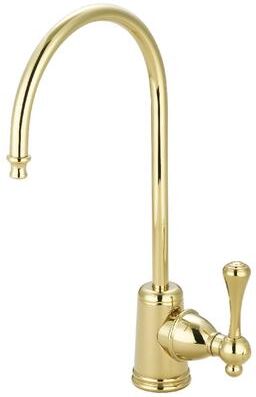
Kingston Continental Water Filtration FaucetAllow this faucet to provide you with instant, crystal clear drinking water while reducing plastic waste. Ergonomically designed, it will enhance your kitchen's modern theme while adding functionality.77,97 $*Shipping: 0,00 $Secure redirect to the provider
-
Uplifted Goods Electrolytic Hypochlorous Acid Water Maker For Home Disinfection greenTransform ordinary water and salt into a powerful cleaner with this hypochlorous acid generator. Using safe electrolysis technology, it creates an eco friendly disinfectant you can use throughout your home. Compact and easy to use, this sodium...34,97 $*Shipping: 0,00 $Secure redirect to the provider
-
Do you not find the treatment of invasive species unfair?
The treatment of invasive species is not unfair because they pose a significant threat to native ecosystems, biodiversity, and the economy. Invasive species can outcompete native species for resources, disrupt food chains, and cause habitat destruction. Controlling and managing invasive species is necessary to protect the balance and health of ecosystems. While it may seem harsh to eradicate or control invasive species, it is essential for the preservation of native species and the overall health of the environment. **
-
Aren't rheas non-invasive?
Rheas are native to South America and are not considered invasive in their natural habitat. However, in some areas outside of their native range, such as in parts of the United States, rheas have been introduced and have the potential to become invasive. In these non-native environments, rheas can compete with native species for resources and disrupt the local ecosystem. Therefore, while rheas are not inherently invasive, their introduction to new areas can pose a threat to local biodiversity. **
-
Should invasive species be controlled?
Yes, invasive species should be controlled because they can have negative impacts on native ecosystems, including outcompeting native species, altering habitats, and disrupting ecological processes. This can lead to a loss of biodiversity and ecosystem function. Controlling invasive species can help to protect and restore native ecosystems, which in turn can benefit the overall health of the environment and the species that depend on it. However, it is important to carefully consider the methods used for control to minimize harm to non-target species and the environment. **
-
What are non-invasive medical devices?
Non-invasive medical devices are tools or equipment that do not penetrate the body or break the skin during their use. These devices are designed to diagnose, monitor, or treat medical conditions without the need for surgery or other invasive procedures. Examples of non-invasive medical devices include blood pressure monitors, thermometers, and ultrasound machines. These devices are often preferred by patients and healthcare providers due to their lower risk of complications and ease of use. **
Similar search terms for Invasive
-
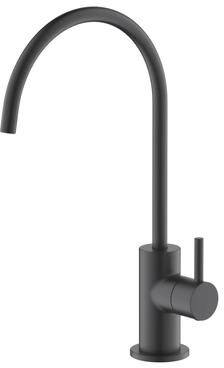
Kibi USA Circular Water Filtration FaucetDesign to connect to a range of concealed under-counter water filtration systems, including simple filtration systems, Reverse Osmosis, Alkaline Ionizer, Activated Carbon, and UV Filters (not included).72,49 $*Shipping: 0,00 $Secure redirect to the provider
-
Kingston Vintage Water Filtration FaucetAllow this faucet to provide you with instant, crystal clear drinking water while reducing plastic waste. Ergonomically designed, it will enhance your kitchen's traditional theme while adding functionality.129,97 $*Shipping: 0,00 $Secure redirect to the provider
-
Kingston Brass Victorian Water Filtration FaucetAllow this faucet to provide you with instant, crystal clear drinking water while reducing plastic waste. Ergonomically designed, it will enhance your kitchen's traditional theme while adding functionality.90,97 $*Shipping: 0,00 $Secure redirect to the provider
-
Kingston Brass Naples Water Filtration FaucetAllow this faucet to provide you with instant, crystal clear drinking water while reducing plastic waste. Ergonomically designed, it will enhance your kitchen's traditional theme while adding functionality.120,22 $*Shipping: 0,00 $Secure redirect to the provider
-
Which invasive species are endangering amphibians?
One invasive species that is endangering amphibians is the American bullfrog (Lithobates catesbeianus). These bullfrogs are aggressive predators and compete with native amphibians for resources, leading to declines in native populations. Another invasive species that poses a threat to amphibians is the chytrid fungus (Batrachochytrium dendrobatidis), which causes the disease chytridiomycosis and has been linked to population declines and extinctions of amphibian species worldwide. Both of these invasive species are contributing to the decline of amphibian populations globally. **
-
Is it normal or invasive at work?
It is important to maintain a balance between being friendly and professional in the workplace. It is normal to engage in friendly conversations and build relationships with colleagues, but it becomes invasive when personal boundaries are crossed or when it interferes with productivity. Invasive behavior at work can include prying into personal matters, gossiping, or making inappropriate comments. It is important to be mindful of how our actions and words may be perceived by others in the workplace. **
-
Is it allowed to catch invasive crayfish species?
In many places, it is allowed to catch invasive crayfish species as they can have a negative impact on the local ecosystem. However, it is important to check local regulations and guidelines before catching any crayfish, as there may be specific rules in place to manage invasive species. It is also important to properly dispose of any caught invasive crayfish to prevent further spread and impact on the environment. **
-
Which invasive species pose a threat to amphibians?
Some invasive species that pose a threat to amphibians include the American bullfrog, which preys on native amphibians and competes with them for resources. The African clawed frog is another invasive species that can carry diseases harmful to amphibians. The cane toad is known for its toxic skin secretions that can be deadly to predators, including amphibians. These invasive species can disrupt the balance of ecosystems and contribute to the decline of native amphibian populations. **
* All prices are inclusive of VAT and, if applicable, plus shipping costs. The offer information is based on the details provided by the respective shop and is updated through automated processes. Real-time updates do not occur, so deviations can occur in individual cases. ** Note: Parts of this content were created by AI.