Buy wwtms.com ?
We are moving the project
wwtms.com .
Are you interested in purchasing the domain
wwtms.com ?
domain@kv-gmbh.de · 0541-91531010
Buy wwtms.com ?
Does water flow upwards?
No, water does not flow upwards on its own. Water flows in the direction of gravity, which is typically downwards. However, in certain situations, such as in a capillary tube or in plants through a process called capillary action, water can appear to flow upwards due to the forces of adhesion and cohesion. But in general, water does not naturally flow upwards. **
Why does warm water flow slowly?
Warm water flows slowly because it has lower viscosity compared to cold water. This lower viscosity means that warm water has less resistance to flow, allowing it to move more slowly. Additionally, warm water tends to be less dense than cold water, which can also contribute to its slower flow rate. Overall, these factors combine to make warm water flow more slowly than cold water. **


Similar search terms for Fun-Flow-Matter-2022
Top-Angebote
Products related to Fun-Flow-Matter-2022:
-
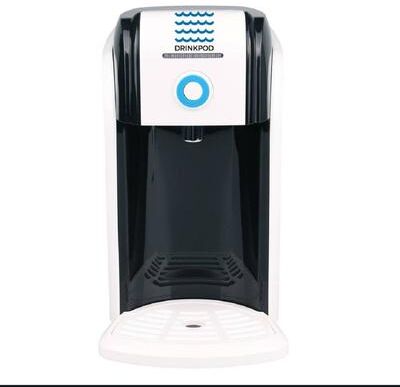
DRINKPOD Hydrate Mineral Spring Countertop Water Filtration Purification System, 4 Stage Water Filter, Water Dispenser**Upgrade Your Drinking Water with a Premium Tabletop Water Dispenser** Enhance your hydration experience with a high-quality tabletop water dispenser that provides refreshingly pure water at your fingertips.113,15 $*Shipping: 0,00 $Secure redirect to the provider
-
iSpring RO500-BN, NSF Certified Tankless RO Reverse Osmosis Water Filtration System, 500 GPD Fast Flow, Brushed Nickel Faucet[NSF 58 Certified] iSpring RO500-BN tankless reverse osmosis system is NSF 58 certified for TDS reduction. [Next Generation RO System] iSpring RO500-BN is the next generation reverse osmosis filtration system.627,29 $*Shipping: 0,00 $Secure redirect to the provider


-
How does the hot water flow?
Hot water flows through a system of pipes from the water heater to the desired location, such as a faucet or shower. When the hot water tap is turned on, the pressure from the water heater pushes the hot water through the pipes and out of the faucet. The flow of hot water is controlled by the opening and closing of valves and the pressure within the system. **
-
Which aquarium fish like water flow?
Fish that prefer water flow in their aquarium include species like bettas, guppies, and danios. These fish are typically found in rivers or streams in the wild, where they are accustomed to moderate to strong water currents. Providing a gentle to moderate water flow in their aquarium can help mimic their natural habitat and keep them healthy and active. It is important to research the specific needs of each fish species to ensure the water flow is suitable for them. **
-
Why does water flow at all?
Water flows due to the force of gravity, which causes it to move from higher elevations to lower elevations. This movement is also influenced by the shape of the land, such as slopes and valleys, and the resistance of the surface over which the water is flowing. Additionally, the cohesive and adhesive properties of water molecules allow them to stick together and adhere to surfaces, enabling water to flow through channels and pipes. **
-
What is meant by the base flow and peak flow in drinking water systems?
Base flow in drinking water systems refers to the minimum flow of water needed to meet the daily demand of the community. It represents the consistent, steady flow of water required for regular use. Peak flow, on the other hand, refers to the maximum flow of water needed during periods of high demand, such as during emergencies or special events. It represents the highest capacity that the drinking water system must be able to handle in order to meet the needs of the community during peak usage times. Both base flow and peak flow are important considerations in designing and managing drinking water systems to ensure that they can reliably meet the needs of the community. **

In which direction does the water flow?
The water flows from left to right in the image. This can be inferred from the movement of the water droplets and the direction of the ripples in the water. The water appears to be flowing towards the right side of the image. **
How do I measure the water flow?
To measure water flow, you can use a flow meter, which is a device that measures the volume of water passing through a specific point in a given amount of time. There are different types of flow meters available, such as electromagnetic, ultrasonic, or mechanical flow meters. You can install the flow meter in the water pipe or hose where you want to measure the flow and then read the measurement displayed on the flow meter's screen. This will give you an accurate measurement of the water flow rate. **
Top-Angebote
Products related to Fun-Flow-Matter-2022:
-
Drop Dash Deals Dual Water Flow Faucet Filter, Tap Filtration For Kitchen Sink Dual Water Flow Faucet Filter, Tap Filtration For Kitchen SinkEfficient Filtration for Clean Water: This 1 pc water filter is designed to provide superior filtration for your tap water, removing rust, sediment, chlorine, odors, and fine particles. Equipped with a multilayer filter system (PP cotton + calcium...37,97 $*Shipping: 0,00 $Secure redirect to the provider
-
DRINKPOD Hydrate Mineral Spring Countertop Water Filtration Purification System, 4 Stage Water Filter, Water Dispenser**Upgrade Your Drinking Water with a Premium Tabletop Water Dispenser** Enhance your hydration experience with a high-quality tabletop water dispenser that provides refreshingly pure water at your fingertips.113,15 $*Shipping: 0,00 $Secure redirect to the provider
-
Does water flow upwards?
No, water does not flow upwards on its own. Water flows in the direction of gravity, which is typically downwards. However, in certain situations, such as in a capillary tube or in plants through a process called capillary action, water can appear to flow upwards due to the forces of adhesion and cohesion. But in general, water does not naturally flow upwards. **
-
Why does warm water flow slowly?
Warm water flows slowly because it has lower viscosity compared to cold water. This lower viscosity means that warm water has less resistance to flow, allowing it to move more slowly. Additionally, warm water tends to be less dense than cold water, which can also contribute to its slower flow rate. Overall, these factors combine to make warm water flow more slowly than cold water. **
-
How does the hot water flow?
Hot water flows through a system of pipes from the water heater to the desired location, such as a faucet or shower. When the hot water tap is turned on, the pressure from the water heater pushes the hot water through the pipes and out of the faucet. The flow of hot water is controlled by the opening and closing of valves and the pressure within the system. **
-
Which aquarium fish like water flow?
Fish that prefer water flow in their aquarium include species like bettas, guppies, and danios. These fish are typically found in rivers or streams in the wild, where they are accustomed to moderate to strong water currents. Providing a gentle to moderate water flow in their aquarium can help mimic their natural habitat and keep them healthy and active. It is important to research the specific needs of each fish species to ensure the water flow is suitable for them. **
Similar search terms for Fun-Flow-Matter-2022
-
iSpring RO500-BN, NSF Certified Tankless RO Reverse Osmosis Water Filtration System, 500 GPD Fast Flow, Brushed Nickel Faucet[NSF 58 Certified] iSpring RO500-BN tankless reverse osmosis system is NSF 58 certified for TDS reduction. [Next Generation RO System] iSpring RO500-BN is the next generation reverse osmosis filtration system.627,29 $*Shipping: 0,00 $Secure redirect to the provider
-
Why does water flow at all?
Water flows due to the force of gravity, which causes it to move from higher elevations to lower elevations. This movement is also influenced by the shape of the land, such as slopes and valleys, and the resistance of the surface over which the water is flowing. Additionally, the cohesive and adhesive properties of water molecules allow them to stick together and adhere to surfaces, enabling water to flow through channels and pipes. **
-
What is meant by the base flow and peak flow in drinking water systems?
Base flow in drinking water systems refers to the minimum flow of water needed to meet the daily demand of the community. It represents the consistent, steady flow of water required for regular use. Peak flow, on the other hand, refers to the maximum flow of water needed during periods of high demand, such as during emergencies or special events. It represents the highest capacity that the drinking water system must be able to handle in order to meet the needs of the community during peak usage times. Both base flow and peak flow are important considerations in designing and managing drinking water systems to ensure that they can reliably meet the needs of the community. **
-
In which direction does the water flow?
The water flows from left to right in the image. This can be inferred from the movement of the water droplets and the direction of the ripples in the water. The water appears to be flowing towards the right side of the image. **
-
How do I measure the water flow?
To measure water flow, you can use a flow meter, which is a device that measures the volume of water passing through a specific point in a given amount of time. There are different types of flow meters available, such as electromagnetic, ultrasonic, or mechanical flow meters. You can install the flow meter in the water pipe or hose where you want to measure the flow and then read the measurement displayed on the flow meter's screen. This will give you an accurate measurement of the water flow rate. **
* All prices are inclusive of VAT and, if applicable, plus shipping costs. The offer information is based on the details provided by the respective shop and is updated through automated processes. Real-time updates do not occur, so deviations can occur in individual cases. ** Note: Parts of this content were created by AI.