Buy wwtms.com ?
We are moving the project
wwtms.com .
Are you interested in purchasing the domain
wwtms.com ?
domain@kv-gmbh.de · 0541-91531010
Buy wwtms.com ?
How to calculate water electrolysis?
To calculate water electrolysis, you can use the formula: 2H2O(l) → 2H2(g) + O2(g). This equation represents the electrolysis of water, where electricity is used to split water molecules into hydrogen and oxygen gas. The amount of electricity required for this process can be calculated using Faraday's laws of electrolysis, which relate the amount of substance produced to the quantity of electricity passed through the electrolyte. By using the molar mass of water and Faraday's constant, you can determine the amount of electricity needed to produce a certain quantity of hydrogen and oxygen gas through water electrolysis. **
How do you calculate water consumption?
To calculate water consumption, you need to determine the amount of water used over a specific period of time. This can be done by subtracting the initial water meter reading from the final reading. The difference between the two readings will give you the total amount of water consumed during that time period. You can then convert this amount into gallons or liters depending on your preference. Tracking water consumption is important for monitoring usage, identifying potential leaks, and promoting water conservation. **

Similar search terms for Calculate
Top-Angebote
Products related to Calculate:
-
HarperCollins Maths on the Back of an Envelope: Clever ways to (roughly) calculate anything. An entertaining introduction to mental maths and problem solvingMaths on the Back of an Envelope: Clever ways to (roughly) calculate anything. An entertaining introduction to mental maths and problem solving10,99 £*Shipping: 2,99 £Secure redirect to the provider
-
Uplifted Finds Calculate Separate Pricing For These And Show Full Listing, Do Not Rearrange The Pricing: 30 X 60 X 20 PcsInaugurate a direct energy for your environment with this integrated maintenance solution. These nano ultrafiber towels serve as a functional choice for your spatial organizational journeys, offering a highdensity alternative to standard cleaning...190,97 $*Shipping: 0,00 $Secure redirect to the provider
-
Uplifted Finds Calculate Separate Pricing For These And Show Full Listing, Do Not Rearrange The Pricing: 30 X 30 X 5 PcsInaugurate a direct energy for your environment with this integrated maintenance solution. These nano ultrafiber towels serve as a functional choice for your spatial organizational journeys, offering a highdensity alternative to standard cleaning...63,97 $*Shipping: 0,00 $Secure redirect to the provider
-
Uplifted Finds Calculate Separate Pricing For These And Show Full Listing, Do Not Rearrange The Pricing: 30 X 30 X 10 PcsInaugurate a direct energy for your environment with this integrated maintenance solution. These nano ultrafiber towels serve as a functional choice for your spatial organizational journeys, offering a highdensity alternative to standard cleaning...101,97 $*Shipping: 0,00 $Secure redirect to the provider


-
How can one calculate water heating?
To calculate water heating, you can use the formula Q = mcΔT, where Q is the amount of heat energy transferred, m is the mass of the water, c is the specific heat capacity of water, and ΔT is the change in temperature. First, determine the mass of the water in kilograms and the change in temperature in degrees Celsius. Then, use the specific heat capacity of water, which is 4.18 J/g°C, to calculate the amount of heat energy transferred. This formula allows you to determine the amount of energy needed to heat a specific amount of water by a certain temperature. **
-
How do you calculate the temperature during a heat treatment?
During a heat treatment, the temperature is calculated using a thermometer or a temperature sensor that is placed inside the furnace or the heat treatment equipment. The temperature is then monitored and adjusted as needed to ensure that the material being treated reaches the desired temperature for the specified amount of time. It is important to follow the specific heat treatment process and temperature requirements for the material being treated to achieve the desired results. Additionally, the temperature may be controlled using a programmable logic controller (PLC) or a computerized system to ensure precise and consistent heat treatment. **
-
How do you calculate the water balance?
To calculate the water balance, you need to consider the inputs and outputs of water in a system. The water balance equation is typically calculated as: Input = Output +/- Change in Storage. Inputs can include precipitation, inflow from rivers or streams, and irrigation. Outputs can include evaporation, transpiration, and outflow from the system. By accounting for all these factors, you can determine if there is a surplus or deficit of water in the system. **
-
How do you calculate the water meter?
To calculate the water meter, you need to take note of the initial reading on the meter and then wait for a specific period of time, such as a day or a week. After the designated time has passed, record the final reading on the water meter. To calculate the water usage during that period, subtract the initial reading from the final reading. The difference between the two readings will give you the amount of water used during that time frame. **


How do you calculate the water hardness?
Water hardness is typically measured in milligrams per liter (mg/L) or parts per million (ppm) of calcium carbonate (CaCO3). To calculate water hardness, you can use the formula: Hardness (mg/L) = (Calcium (mg/L) x 2.5) + (Magnesium (mg/L) x 4.1). This formula takes into account the concentrations of calcium and magnesium ions in the water, which are the primary contributors to water hardness. By measuring the levels of calcium and magnesium in the water and plugging them into the formula, you can determine the overall hardness of the water. **
How do you calculate wavelengths in water?
To calculate the wavelength of a wave in water, you can use the formula: wavelength = speed of wave / frequency of wave. The speed of the wave in water can be calculated using the formula: speed = frequency * wavelength. The frequency of the wave can be determined by the source of the wave, and the wavelength can be measured by observing the distance between two consecutive wave crests or troughs. By using these formulas, you can calculate the wavelength of a wave in water. **
Top-Angebote
Products related to Calculate:
-
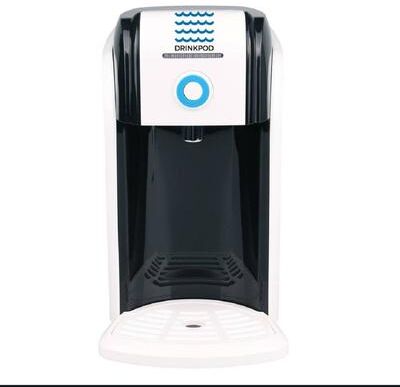
DRINKPOD Hydrate Mineral Spring Countertop Water Filtration Purification System, 4 Stage Water Filter, Water Dispenser**Upgrade Your Drinking Water with a Premium Tabletop Water Dispenser** Enhance your hydration experience with a high-quality tabletop water dispenser that provides refreshingly pure water at your fingertips.113,15 $*Shipping: 0,00 $Secure redirect to the provider
-
Uplifted Finds Calculate Separate Pricing For These And Show Full Listing, Do Not Rearrange The Pricing: 30 X 60 X 5 PcsInaugurate a direct energy for your environment with this integrated maintenance solution. These nano ultrafiber towels serve as a functional choice for your spatial organizational journeys, offering a highdensity alternative to standard cleaning...88,97 $*Shipping: 0,00 $Secure redirect to the provider
-
HarperCollins Maths on the Back of an Envelope: Clever ways to (roughly) calculate anything. An entertaining introduction to mental maths and problem solvingMaths on the Back of an Envelope: Clever ways to (roughly) calculate anything. An entertaining introduction to mental maths and problem solving10,99 £*Shipping: 2,99 £Secure redirect to the provider
-
Uplifted Finds Calculate Separate Pricing For These And Show Full Listing, Do Not Rearrange The Pricing: 30 X 60 X 20 PcsInaugurate a direct energy for your environment with this integrated maintenance solution. These nano ultrafiber towels serve as a functional choice for your spatial organizational journeys, offering a highdensity alternative to standard cleaning...190,97 $*Shipping: 0,00 $Secure redirect to the provider
-
How to calculate water electrolysis?
To calculate water electrolysis, you can use the formula: 2H2O(l) → 2H2(g) + O2(g). This equation represents the electrolysis of water, where electricity is used to split water molecules into hydrogen and oxygen gas. The amount of electricity required for this process can be calculated using Faraday's laws of electrolysis, which relate the amount of substance produced to the quantity of electricity passed through the electrolyte. By using the molar mass of water and Faraday's constant, you can determine the amount of electricity needed to produce a certain quantity of hydrogen and oxygen gas through water electrolysis. **
-
How do you calculate water consumption?
To calculate water consumption, you need to determine the amount of water used over a specific period of time. This can be done by subtracting the initial water meter reading from the final reading. The difference between the two readings will give you the total amount of water consumed during that time period. You can then convert this amount into gallons or liters depending on your preference. Tracking water consumption is important for monitoring usage, identifying potential leaks, and promoting water conservation. **
-
How can one calculate water heating?
To calculate water heating, you can use the formula Q = mcΔT, where Q is the amount of heat energy transferred, m is the mass of the water, c is the specific heat capacity of water, and ΔT is the change in temperature. First, determine the mass of the water in kilograms and the change in temperature in degrees Celsius. Then, use the specific heat capacity of water, which is 4.18 J/g°C, to calculate the amount of heat energy transferred. This formula allows you to determine the amount of energy needed to heat a specific amount of water by a certain temperature. **
-
How do you calculate the temperature during a heat treatment?
During a heat treatment, the temperature is calculated using a thermometer or a temperature sensor that is placed inside the furnace or the heat treatment equipment. The temperature is then monitored and adjusted as needed to ensure that the material being treated reaches the desired temperature for the specified amount of time. It is important to follow the specific heat treatment process and temperature requirements for the material being treated to achieve the desired results. Additionally, the temperature may be controlled using a programmable logic controller (PLC) or a computerized system to ensure precise and consistent heat treatment. **
Similar search terms for Calculate
-
Uplifted Finds Calculate Separate Pricing For These And Show Full Listing, Do Not Rearrange The Pricing: 30 X 30 X 5 PcsInaugurate a direct energy for your environment with this integrated maintenance solution. These nano ultrafiber towels serve as a functional choice for your spatial organizational journeys, offering a highdensity alternative to standard cleaning...63,97 $*Shipping: 0,00 $Secure redirect to the provider
-
Uplifted Finds Calculate Separate Pricing For These And Show Full Listing, Do Not Rearrange The Pricing: 30 X 30 X 10 PcsInaugurate a direct energy for your environment with this integrated maintenance solution. These nano ultrafiber towels serve as a functional choice for your spatial organizational journeys, offering a highdensity alternative to standard cleaning...101,97 $*Shipping: 0,00 $Secure redirect to the provider
-
Uplifted Finds Calculate Separate Pricing For These And Show Full Listing, Do Not Rearrange The Pricing: 30 X 60 X 15 PcsInaugurate a direct energy for your environment with this integrated maintenance solution. These nano ultrafiber towels serve as a functional choice for your spatial organizational journeys, offering a highdensity alternative to standard cleaning...157,97 $*Shipping: 0,00 $Secure redirect to the provider
-
Uplifted Finds Calculate Separate Pricing For These And Show Full Listing, Do Not Rearrange The Pricing: 30 X 30 X 20 PcsInaugurate a direct energy for your environment with this integrated maintenance solution. These nano ultrafiber towels serve as a functional choice for your spatial organizational journeys, offering a highdensity alternative to standard cleaning...153,97 $*Shipping: 0,00 $Secure redirect to the provider
-
How do you calculate the water balance?
To calculate the water balance, you need to consider the inputs and outputs of water in a system. The water balance equation is typically calculated as: Input = Output +/- Change in Storage. Inputs can include precipitation, inflow from rivers or streams, and irrigation. Outputs can include evaporation, transpiration, and outflow from the system. By accounting for all these factors, you can determine if there is a surplus or deficit of water in the system. **
-
How do you calculate the water meter?
To calculate the water meter, you need to take note of the initial reading on the meter and then wait for a specific period of time, such as a day or a week. After the designated time has passed, record the final reading on the water meter. To calculate the water usage during that period, subtract the initial reading from the final reading. The difference between the two readings will give you the amount of water used during that time frame. **
-
How do you calculate the water hardness?
Water hardness is typically measured in milligrams per liter (mg/L) or parts per million (ppm) of calcium carbonate (CaCO3). To calculate water hardness, you can use the formula: Hardness (mg/L) = (Calcium (mg/L) x 2.5) + (Magnesium (mg/L) x 4.1). This formula takes into account the concentrations of calcium and magnesium ions in the water, which are the primary contributors to water hardness. By measuring the levels of calcium and magnesium in the water and plugging them into the formula, you can determine the overall hardness of the water. **
-
How do you calculate wavelengths in water?
To calculate the wavelength of a wave in water, you can use the formula: wavelength = speed of wave / frequency of wave. The speed of the wave in water can be calculated using the formula: speed = frequency * wavelength. The frequency of the wave can be determined by the source of the wave, and the wavelength can be measured by observing the distance between two consecutive wave crests or troughs. By using these formulas, you can calculate the wavelength of a wave in water. **
* All prices are inclusive of VAT and, if applicable, plus shipping costs. The offer information is based on the details provided by the respective shop and is updated through automated processes. Real-time updates do not occur, so deviations can occur in individual cases. ** Note: Parts of this content were created by AI.