Buy wwtms.com ?
We are moving the project
wwtms.com .
Are you interested in purchasing the domain
wwtms.com ?
domain@kv-gmbh.de · 0541-91531010
Buy wwtms.com ?
How should I finance orthodontic treatment?
There are several options to finance orthodontic treatment. You can consider using dental insurance if your plan covers orthodontic care. Another option is to set up a payment plan with your orthodontist to spread out the cost over time. Some orthodontic offices also offer in-house financing or accept third-party financing options like CareCredit. Additionally, you could use a health savings account (HSA) or flexible spending account (FSA) to pay for orthodontic treatment with pre-tax dollars. **
Which banks finance Wirecard?
Wirecard was financed by several major banks, including Commerzbank, ABN Amro, and ING. These banks provided loans and credit facilities to Wirecard, allowing the company to expand its operations and invest in technology. However, after the accounting scandal in 2020, these banks faced scrutiny for their involvement in financing Wirecard's questionable activities. **


Similar search terms for Finance
Top-Angebote
Products related to Finance:
-
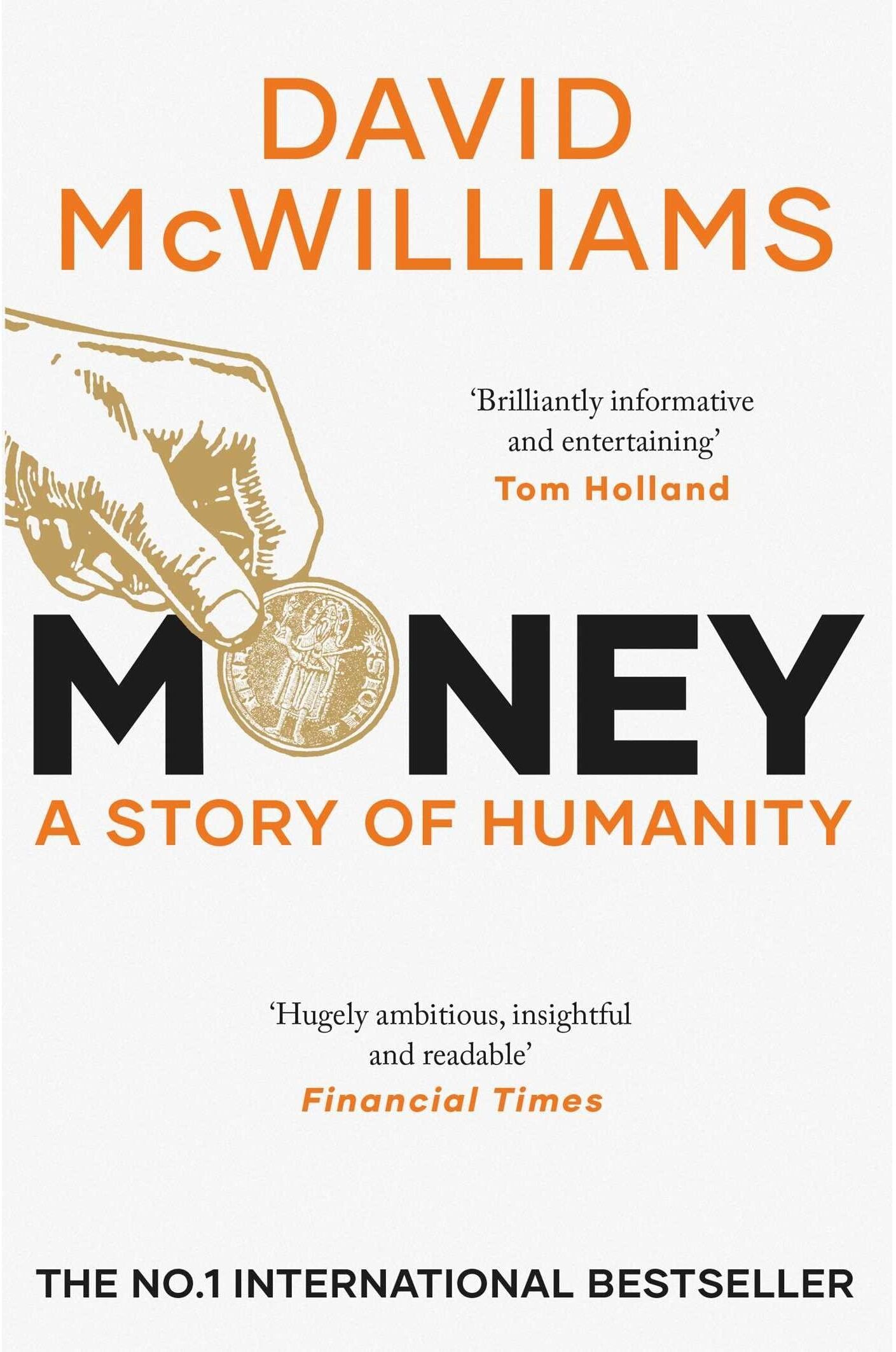
Simon & Schuster Money: A Story of Humanity by David McWilliams Economic History & Global Finance ExplainedIn Money: A Story of Humanity, renowned economist David McWilliams explores the fascinating history of money — not just as currency, but as a powerful force that has shaped human civilisation, relationships, technology, and global society. From ancient barter systems to cryptocurrency revolutions, McWilliams reveals how money reflects our values, ambitions, fears, politics, and culture.Rich with storytelling, sharp insights, and humour, this book makes complex economic ideas accessible, engaging, and deeply human. Perfect for readers who enjoy exploring how history, psychology, markets, and power intersect, Money: A Story of Humanity provides a fresh, eye-opening look at how money drives — and is driven by — human behaviour. Ideal for fans of Yuval Noah Harari, Tim Harford, Niall Ferguson, and Mary Beard.7,99 £*Shipping: 2,99 £Secure redirect to the provider
-
Lords of Finance & 1873 2 Books Collection Set by Liaquat Ahamed - Non Fiction - Mixed FormatTitles in This Set:. Lords of Finance. 1873 Condition: BRAND NEW. Format: Hardcover. ISBN: 9785010796372 Overview:. This tightly curated two-volume non-fiction library brings you the essential economic chronicles of modern banking history. Written by acclaimed historian Liaquat Ahamed, this set traces the origins of global financial crises through two pivotal decades. You will explore how reckless speculation and central bank decisions shaped the twentieth century. The collection pairs the groundbreaking Pulitzer Prize-winning narrative with a deep dive into the forgotten panic of the nineteenth century. Each volume stands alone yet works together to show how human ambition drives markets. You gain a clear understanding of past crashes so you can navigate today’s complex economy. Owning this pair gives you a complete picture of how finance evolves under pressure. It is an ideal starting point for readers who want more than dry statistics. You receive expertly researched narratives that read like gripping historical thrillers. The volumes are presented in durable hardback formats that age beautifully on your shelf. This set is designed for serious readers who value accuracy and compelling storytelling. What Makes This Collection Special:. What truly sets this collection apart is its masterful pacing across different eras of monetary policy. You move seamlessly from the railway boom of the 1860s straight into the dramatic collapse of the interwar period. The two books mirror each other perfectly by highlighting how governments often repeat old mistakes when fear takes over. You will notice consistent themes about hubris and the hidden power of central bankers. These pages offer a refreshingly human approach to macroeconomics. Instead of dense charts and abstract theory, you get intimate portraits of flawed leaders making world-altering choices. The collection also serves as a sharp warning about unchecked leverage. Reading them back to back helps you spot dangerous market signals. The consistent hardback construction makes this pair excellent for display or lending. Library buyers appreciate how neatly these histories complement one another. You get a structured learning path that turns complex financial history into accessible daily reading. Books Included in This Collection:. Lords of Finance. This iconic work follows four powerful central bankers during the 1920s and 1930s. You watch their conflicting policies trigger the worst economic downturn in modern memory. The narrative covers institutions like the Bank of England and the New York Federal Reserve. Every chapter reveals how personal biases fueled the Great Depression. You see how misguided interventions dragged Europe deeper into crisis. The book won the Pulitzer Prize and remains required reading for policy students. You will finish this volume with a much clearer sense of how monetary systems actually behave. It is a vital companion for anyone studying the roots of modern finance.. 1873....28,99 £*Shipping: 2,99 £Secure redirect to the provider
-
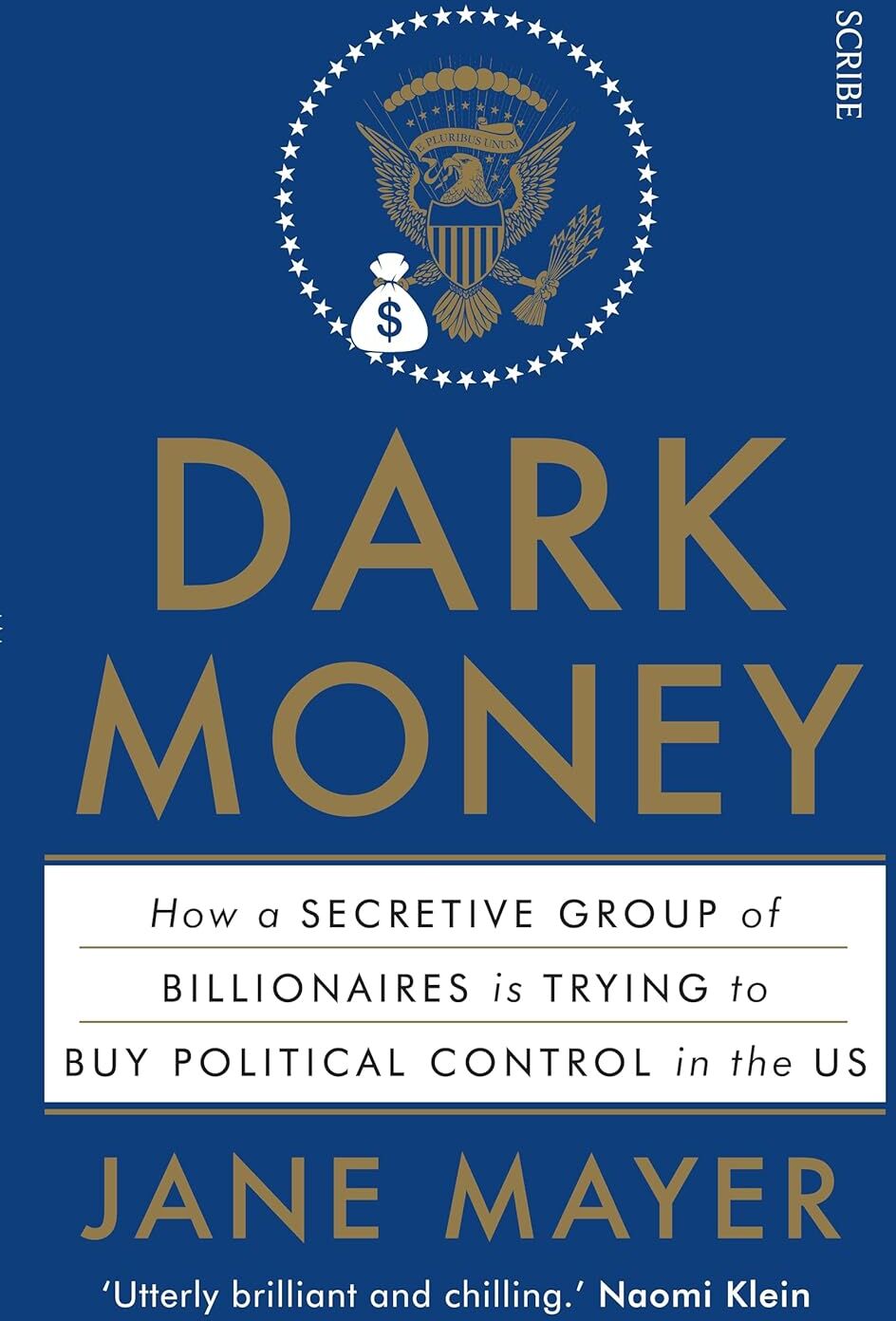
Dark Money: How Billionaires Buy Politics by Jane Mayer - Scribe UK Paperback - Investigative Politics & Finance Book - NewDark Money is a landmark work of investigative journalism by Jane Mayer, tracing how a small network of extremely wealthy right-wing donors reshaped American politics over four decades. Meticulously sourced and compellingly written, it uncovers the funding of think tanks, front groups, and campaigns designed to influence elections, courts, and public opinion. This brand new paperback is essential reading for anyone interested in modern politics, economic inequality, and the hidden machinery of democracy. Written by New Yorker staff writer Jane Mayer, the book exposes the network of billionaires trying to buy the US electoral system, led by libertarian industrialists Charles and David Koch, along with allies such as the Scaifes, Olins, and Bradleys, who have poured vast sums into the system.7,49 £*Shipping: 2,99 £Secure redirect to the provider
-
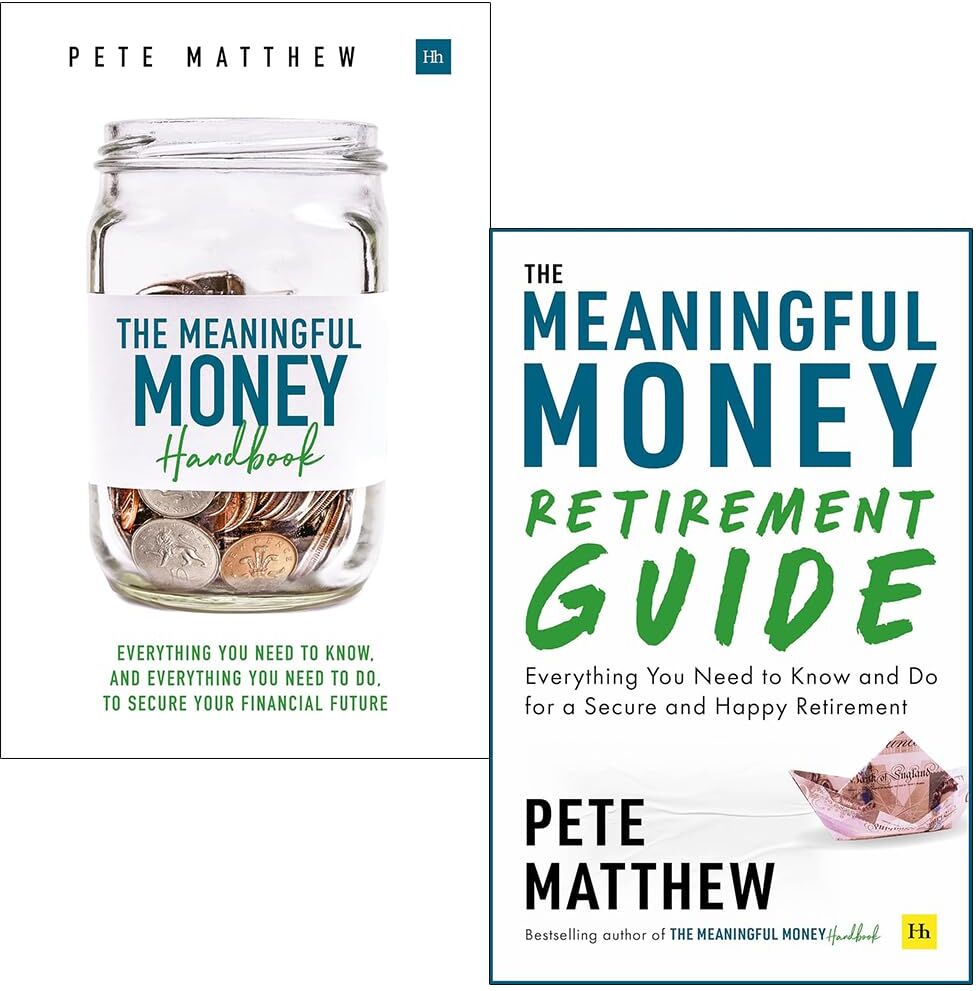
Harriman House Meaningful Money 2 Books Collection Set by Pete Matthew - Handbook & Retirement Guide - Paperback - Personal FinanceThe Meaningful Money 2 Books Collection Set brings together two practical guides to personal finance by Pete Matthew, a Chartered Financial Planner with 25 years of industry experience. The set includes The Meaningful Money Handbook and The Meaningful Money Retirement Guide, both written in clear and actionable steps. The books work together to build lasting financial confidence, covering everyday money management and retirement planning. Written for adults, this paperback set is a comprehensive roadmap for anyone looking to get their finances in order or plan for retirement.22,99 £*Shipping: 2,99 £Secure redirect to the provider

-
How can one finance something?
One can finance something by utilizing personal savings, taking out a loan from a financial institution, seeking investment from venture capitalists or angel investors, or crowdfunding through platforms like Kickstarter or GoFundMe. Additionally, one can explore options such as grants, sponsorships, or partnerships to secure funding for a project or venture. It is important to carefully consider the terms and conditions of each financing option to ensure it aligns with one's financial goals and capabilities. **
-
How do theaters finance themselves?
Theaters finance themselves through a combination of ticket sales, concessions, sponsorships, grants, and donations. Ticket sales are a major source of revenue, with theaters setting prices based on factors such as production costs and audience demand. Concessions, such as food and beverages, also contribute to the theater's income. Additionally, theaters often seek sponsorships from businesses and organizations, apply for grants from government agencies and foundations, and rely on donations from individuals to support their operations and productions. **
-
BWL or Banking and Finance?
The choice between BWL (Betriebswirtschaftslehre, or business administration) and Banking and Finance depends on your career goals and interests. BWL provides a broad understanding of business management, including areas such as marketing, accounting, and human resources, while Banking and Finance focuses specifically on financial institutions and markets. If you are interested in a career in banking, investment, or financial analysis, Banking and Finance may be the better choice. However, if you are interested in a broader range of business opportunities, BWL may be more suitable. It's important to consider your long-term career goals and the specific skills and knowledge you want to develop. **
-
How does Caritas finance itself?
Caritas finances itself through a combination of sources, including government funding, private donations, grants, and fundraising activities. They may also receive support from international organizations and partnerships with other non-profit organizations. Additionally, Caritas may generate income through social enterprises and income-generating projects to support their charitable activities. Overall, their financial sustainability relies on a diverse range of funding sources to support their mission of helping those in need. **

How can one finance their education?
There are several ways to finance education, including scholarships, grants, student loans, work-study programs, and personal savings. Scholarships and grants are typically awarded based on academic achievement, financial need, or specific criteria set by the organization providing the funding. Student loans can be obtained from the government or private lenders, but it's important to carefully consider the terms and repayment options before taking out a loan. Work-study programs allow students to work part-time while attending school to help cover expenses. Additionally, saving money in advance or setting up a payment plan with the educational institution can also help finance education. **
How did you finance your motorcycle?
I financed my motorcycle through a combination of savings and a motorcycle loan from a financial institution. I had been saving up for a while to be able to afford the down payment, and then took out a loan to cover the remaining cost of the motorcycle. I chose a loan with a competitive interest rate and manageable monthly payments to ensure that I could comfortably afford the motorcycle without straining my finances. **
Top-Angebote
Products related to Finance:
-
DRINKPOD Hydrate Mineral Spring Countertop Water Filtration Purification System, 4 Stage Water Filter, Water Dispenser**Upgrade Your Drinking Water with a Premium Tabletop Water Dispenser** Enhance your hydration experience with a high-quality tabletop water dispenser that provides refreshingly pure water at your fingertips.113,15 $*Shipping: 0,00 $Secure redirect to the provider
-
Freya Break The Paycheck Trap By Rupa - Personal Finance And Budgeting Guide - PaperbackTitle:. Break The Paycheck Trap. Condition :BRAND NEW. Format :Paperback. ISBN :9789379575722. Overview:. You earn a living wage, yet that money vanishes too quickly. Rent and bills consume half your income before the week ends. An unexpected repair or a sudden bill resets your progress and sends you back to square one. Breaking this exhausting cycle requires more than simple discipline. You need a clear strategy tailored to your actual situation. That is where this comprehensive personal finance guide steps in. Break The Paycheck Trap by Rupa provides the tools to reclaim control over your cash flow. The book moves beyond vague advice and focuses on practical implementation. You will discover how to build systems that protect your earnings. The guide helps you identify leaks in your spending without punishing yourself. Every chapter offers actionable insights designed for busy life. The paperback format allows you to highlight key sections and jot down notes during your reading journey. This tactile reference stays close by as you apply new habits. Rupa presents financial independence as a reachable goal for everyday earners. You will learn to step off the treadmill and build genuine security.. What Makes This Book Stand Out:. Many budgeting tools leave you feeling restricted or overwhelmed by endless spreadsheets. This collection takes a different approach by blending mindset shifts with mechanical adjustments. It recognises that money struggles often stem from behaviours we repeat unconsciously alongside the numbers themselves. The author breaks down complex concepts into digestible steps. You get guidance on protecting your income against inflationary pressures. The book explains how to structure your payments so essential costs are covered first. You will also find techniques for smoothing out cash flow gaps without touching debt. This method builds resilience against life's unpredictable costs. The writing style avoids intimidating terminology, making it accessible whether you are starting fresh or refreshing old habits. Reading this guide feels like having a knowledgeable friend walking beside you toward stability. The portable paperback size ensures you can refer back to specific strategies whenever doubts creep in. It serves as a long-term companion rather than a quick fix.. Who This Book Is Perfect For:. This guide is ideal for anyone feeling trapped by the rhythm of waiting for payday. It suits young professionals eager to establish strong money habits early on. Recent graduates navigating student loans and rent will find valuable direction here. Parents looking to secure a family budget often turn to this type of resource for reassurance. Professionals who have tried countless apps but still struggle with savings rates may find this book bridges the gap between tracking and understanding. Teachers and service workers facing tight margins can also benefit from the realistic tactics shared. Students learning how personal finance applies...3,99 £*Shipping: 2,99 £Secure redirect to the provider
-
Simon & Schuster Money: A Story of Humanity by David McWilliams Economic History & Global Finance ExplainedIn Money: A Story of Humanity, renowned economist David McWilliams explores the fascinating history of money — not just as currency, but as a powerful force that has shaped human civilisation, relationships, technology, and global society. From ancient barter systems to cryptocurrency revolutions, McWilliams reveals how money reflects our values, ambitions, fears, politics, and culture.Rich with storytelling, sharp insights, and humour, this book makes complex economic ideas accessible, engaging, and deeply human. Perfect for readers who enjoy exploring how history, psychology, markets, and power intersect, Money: A Story of Humanity provides a fresh, eye-opening look at how money drives — and is driven by — human behaviour. Ideal for fans of Yuval Noah Harari, Tim Harford, Niall Ferguson, and Mary Beard.7,99 £*Shipping: 2,99 £Secure redirect to the provider
-
Lords of Finance & 1873 2 Books Collection Set by Liaquat Ahamed - Non Fiction - Mixed FormatTitles in This Set:. Lords of Finance. 1873 Condition: BRAND NEW. Format: Hardcover. ISBN: 9785010796372 Overview:. This tightly curated two-volume non-fiction library brings you the essential economic chronicles of modern banking history. Written by acclaimed historian Liaquat Ahamed, this set traces the origins of global financial crises through two pivotal decades. You will explore how reckless speculation and central bank decisions shaped the twentieth century. The collection pairs the groundbreaking Pulitzer Prize-winning narrative with a deep dive into the forgotten panic of the nineteenth century. Each volume stands alone yet works together to show how human ambition drives markets. You gain a clear understanding of past crashes so you can navigate today’s complex economy. Owning this pair gives you a complete picture of how finance evolves under pressure. It is an ideal starting point for readers who want more than dry statistics. You receive expertly researched narratives that read like gripping historical thrillers. The volumes are presented in durable hardback formats that age beautifully on your shelf. This set is designed for serious readers who value accuracy and compelling storytelling. What Makes This Collection Special:. What truly sets this collection apart is its masterful pacing across different eras of monetary policy. You move seamlessly from the railway boom of the 1860s straight into the dramatic collapse of the interwar period. The two books mirror each other perfectly by highlighting how governments often repeat old mistakes when fear takes over. You will notice consistent themes about hubris and the hidden power of central bankers. These pages offer a refreshingly human approach to macroeconomics. Instead of dense charts and abstract theory, you get intimate portraits of flawed leaders making world-altering choices. The collection also serves as a sharp warning about unchecked leverage. Reading them back to back helps you spot dangerous market signals. The consistent hardback construction makes this pair excellent for display or lending. Library buyers appreciate how neatly these histories complement one another. You get a structured learning path that turns complex financial history into accessible daily reading. Books Included in This Collection:. Lords of Finance. This iconic work follows four powerful central bankers during the 1920s and 1930s. You watch their conflicting policies trigger the worst economic downturn in modern memory. The narrative covers institutions like the Bank of England and the New York Federal Reserve. Every chapter reveals how personal biases fueled the Great Depression. You see how misguided interventions dragged Europe deeper into crisis. The book won the Pulitzer Prize and remains required reading for policy students. You will finish this volume with a much clearer sense of how monetary systems actually behave. It is a vital companion for anyone studying the roots of modern finance.. 1873....28,99 £*Shipping: 2,99 £Secure redirect to the provider
-
How should I finance orthodontic treatment?
There are several options to finance orthodontic treatment. You can consider using dental insurance if your plan covers orthodontic care. Another option is to set up a payment plan with your orthodontist to spread out the cost over time. Some orthodontic offices also offer in-house financing or accept third-party financing options like CareCredit. Additionally, you could use a health savings account (HSA) or flexible spending account (FSA) to pay for orthodontic treatment with pre-tax dollars. **
-
Which banks finance Wirecard?
Wirecard was financed by several major banks, including Commerzbank, ABN Amro, and ING. These banks provided loans and credit facilities to Wirecard, allowing the company to expand its operations and invest in technology. However, after the accounting scandal in 2020, these banks faced scrutiny for their involvement in financing Wirecard's questionable activities. **
-
How can one finance something?
One can finance something by utilizing personal savings, taking out a loan from a financial institution, seeking investment from venture capitalists or angel investors, or crowdfunding through platforms like Kickstarter or GoFundMe. Additionally, one can explore options such as grants, sponsorships, or partnerships to secure funding for a project or venture. It is important to carefully consider the terms and conditions of each financing option to ensure it aligns with one's financial goals and capabilities. **
-
How do theaters finance themselves?
Theaters finance themselves through a combination of ticket sales, concessions, sponsorships, grants, and donations. Ticket sales are a major source of revenue, with theaters setting prices based on factors such as production costs and audience demand. Concessions, such as food and beverages, also contribute to the theater's income. Additionally, theaters often seek sponsorships from businesses and organizations, apply for grants from government agencies and foundations, and rely on donations from individuals to support their operations and productions. **
Similar search terms for Finance
-
Dark Money: How Billionaires Buy Politics by Jane Mayer - Scribe UK Paperback - Investigative Politics & Finance Book - NewDark Money is a landmark work of investigative journalism by Jane Mayer, tracing how a small network of extremely wealthy right-wing donors reshaped American politics over four decades. Meticulously sourced and compellingly written, it uncovers the funding of think tanks, front groups, and campaigns designed to influence elections, courts, and public opinion. This brand new paperback is essential reading for anyone interested in modern politics, economic inequality, and the hidden machinery of democracy. Written by New Yorker staff writer Jane Mayer, the book exposes the network of billionaires trying to buy the US electoral system, led by libertarian industrialists Charles and David Koch, along with allies such as the Scaifes, Olins, and Bradleys, who have poured vast sums into the system.7,49 £*Shipping: 2,99 £Secure redirect to the provider
-
Harriman House Meaningful Money 2 Books Collection Set by Pete Matthew - Handbook & Retirement Guide - Paperback - Personal FinanceThe Meaningful Money 2 Books Collection Set brings together two practical guides to personal finance by Pete Matthew, a Chartered Financial Planner with 25 years of industry experience. The set includes The Meaningful Money Handbook and The Meaningful Money Retirement Guide, both written in clear and actionable steps. The books work together to build lasting financial confidence, covering everyday money management and retirement planning. Written for adults, this paperback set is a comprehensive roadmap for anyone looking to get their finances in order or plan for retirement.22,99 £*Shipping: 2,99 £Secure redirect to the provider
-
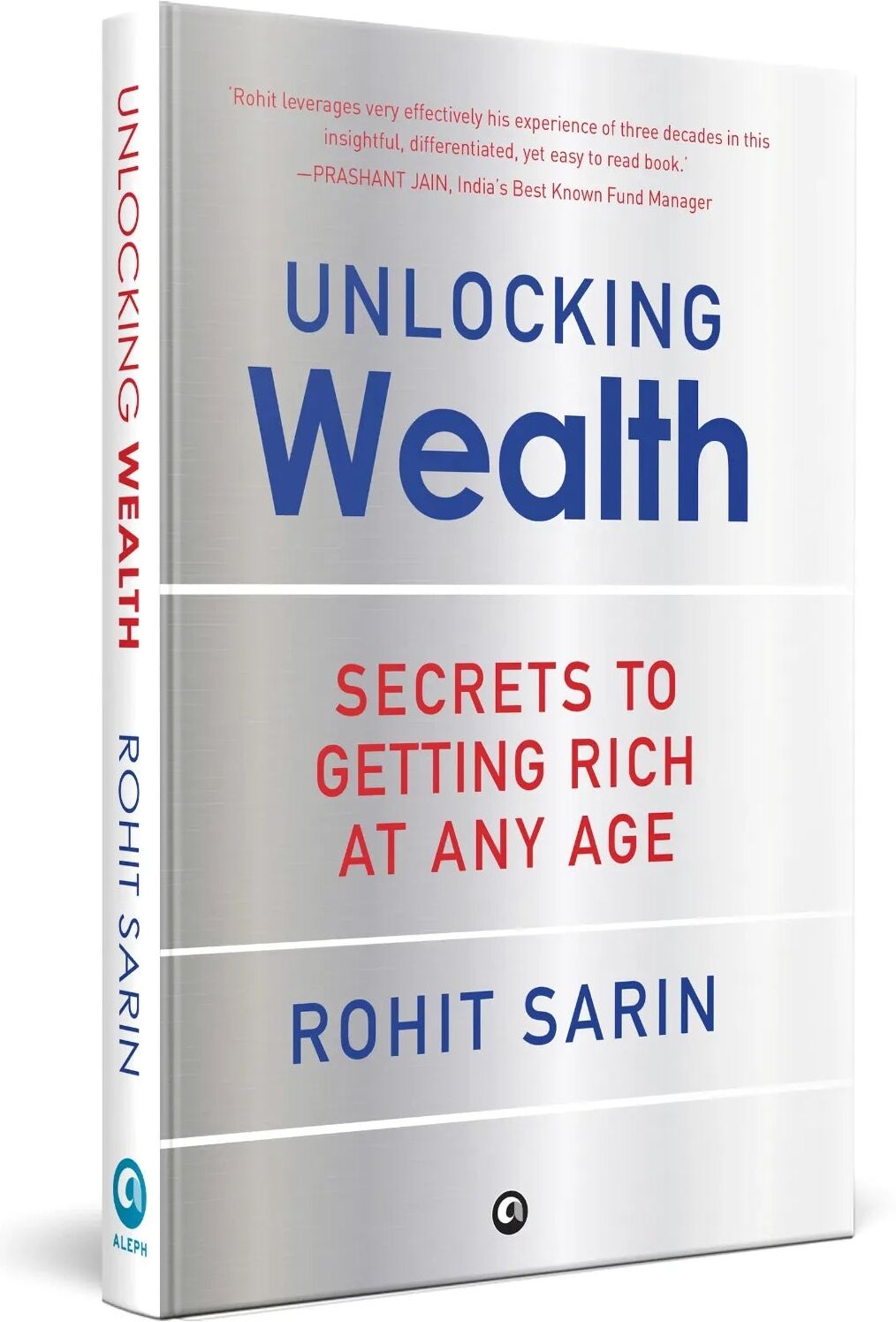
Unlocking Wealth: Secrets to Getting Rich at Any Age by Rohit Sarin - Personal Finance Hardback - Aleph Book Company -Unlocking Wealth: Secrets to Getting Rich at Any Age by Rohit Sarin is a practical guide to building lasting financial security. Written by wealth management veteran Rohit Sarin, this book draws on nearly three decades of advising some of India's wealthiest families. Sarin breaks down the mindset, habits, and strategies that separate those who build real wealth from those who don't. The book offers clear, actionable guidance on smart saving habits, sound investment principles, calculated risk-taking, and the psychological traps that keep people from building real wealth. Whether you're starting your career or already managing a substantial portfolio, this hardback provides useful insights for anyone looking to build lasting financial security.2,99 £*Shipping: 2,99 £Secure redirect to the provider
-
BWL or Banking and Finance?
The choice between BWL (Betriebswirtschaftslehre, or business administration) and Banking and Finance depends on your career goals and interests. BWL provides a broad understanding of business management, including areas such as marketing, accounting, and human resources, while Banking and Finance focuses specifically on financial institutions and markets. If you are interested in a career in banking, investment, or financial analysis, Banking and Finance may be the better choice. However, if you are interested in a broader range of business opportunities, BWL may be more suitable. It's important to consider your long-term career goals and the specific skills and knowledge you want to develop. **
-
How does Caritas finance itself?
Caritas finances itself through a combination of sources, including government funding, private donations, grants, and fundraising activities. They may also receive support from international organizations and partnerships with other non-profit organizations. Additionally, Caritas may generate income through social enterprises and income-generating projects to support their charitable activities. Overall, their financial sustainability relies on a diverse range of funding sources to support their mission of helping those in need. **
-
How can one finance their education?
There are several ways to finance education, including scholarships, grants, student loans, work-study programs, and personal savings. Scholarships and grants are typically awarded based on academic achievement, financial need, or specific criteria set by the organization providing the funding. Student loans can be obtained from the government or private lenders, but it's important to carefully consider the terms and repayment options before taking out a loan. Work-study programs allow students to work part-time while attending school to help cover expenses. Additionally, saving money in advance or setting up a payment plan with the educational institution can also help finance education. **
-
How did you finance your motorcycle?
I financed my motorcycle through a combination of savings and a motorcycle loan from a financial institution. I had been saving up for a while to be able to afford the down payment, and then took out a loan to cover the remaining cost of the motorcycle. I chose a loan with a competitive interest rate and manageable monthly payments to ensure that I could comfortably afford the motorcycle without straining my finances. **
* All prices are inclusive of VAT and, if applicable, plus shipping costs. The offer information is based on the details provided by the respective shop and is updated through automated processes. Real-time updates do not occur, so deviations can occur in individual cases. ** Note: Parts of this content were created by AI.