Buy wwtms.com ?
We are moving the project
wwtms.com .
Are you interested in purchasing the domain
wwtms.com ?
domain@kv-gmbh.de · 0541-91531010
Buy wwtms.com ?
How can catalysis be presented in a presentation?
Catalysis can be presented in a presentation by first explaining the concept of catalysis and its importance in various chemical reactions. This can be followed by examples of catalytic processes in industry and everyday life, such as the catalytic converters in cars or the use of enzymes in biological systems. Additionally, the different types of catalysts and their mechanisms can be discussed to provide a comprehensive understanding of catalysis. Visual aids such as diagrams, charts, and videos can also be used to illustrate the concepts and make the presentation more engaging. **
What is the difference between homogeneous and heterogeneous catalysis?
Homogeneous catalysis involves a catalyst that is in the same phase as the reactants, meaning they are all in the same state of matter (e.g. all in liquid phase). Heterogeneous catalysis, on the other hand, involves a catalyst that is in a different phase from the reactants, such as a solid catalyst in a liquid or gaseous reactant. Homogeneous catalysis typically allows for better control over the reaction conditions and selectivity, while heterogeneous catalysis often offers easier catalyst separation and recycling. **


Similar search terms for Catalysis
Top-Angebote
Products related to Catalysis:
-
Inspire Daily Merch Oxygen Sensor Spacer Adapter, Car Filter Connector, Ternary Converter, Catalytic Catalysis Mini Oxygen Sensor Spacer Adapter, Car Filter Connector, Ternary Converter, Catalytic Catalysis MiniEnhance Engine Performance with Our Car Oxygen Sensor Spacer Upgrade your vehicle's exhaust system with the Car Oxygen Sensor Spacer Filter Connector Adapter. Designed for precision, this adapter ensures accurate readings for your Ternary O2 Sensor...42,97 $*Shipping: 0,00 $Secure redirect to the provider
-
DRINKPOD Hydrate Mineral Spring Countertop Water Filtration Purification System, 4 Stage Water Filter, Water Dispenser**Upgrade Your Drinking Water with a Premium Tabletop Water Dispenser** Enhance your hydration experience with a high-quality tabletop water dispenser that provides refreshingly pure water at your fingertips.113,15 $*Shipping: 0,00 $Secure redirect to the provider
-
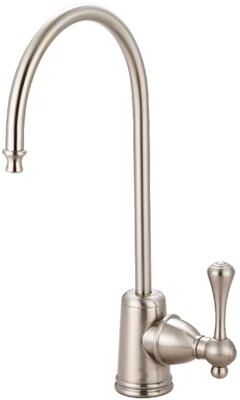
Kingston Vintage Water Filtration FaucetAllow this faucet to provide you with instant, crystal clear drinking water while reducing plastic waste. Ergonomically designed, it will enhance your kitchen's traditional theme while adding functionality.129,97 $*Shipping: 0,00 $Secure redirect to the provider
-
Kingston Continental Water Filtration FaucetAllow this faucet to provide you with instant, crystal clear drinking water while reducing plastic waste. Ergonomically designed, it will enhance your kitchen's modern theme while adding functionality.77,97 $*Shipping: 0,00 $Secure redirect to the provider




-
Can someone explain the cycle of enzyme catalysis to me?
Enzyme catalysis involves a cycle of events that begins with the substrate binding to the active site of the enzyme. This binding induces a conformational change in the enzyme, bringing the active site into optimal position for catalysis. The enzyme then facilitates the conversion of the substrate into the product through the lowering of activation energy. Once the product is formed, it is released from the active site, allowing the enzyme to return to its original conformation and be available for another round of catalysis. This cycle of substrate binding, catalysis, and product release is repeated continuously as long as there are substrates available for the enzyme to act upon. **
-
Can you explain why a straw dropped into a bottle of carbonated water rises back up? Interpret the process as heterogeneous catalysis.
When a straw is dropped into a bottle of carbonated water, the carbon dioxide gas in the water adheres to the surface of the straw due to the presence of nucleation sites, such as small imperfections or scratches on the straw. This adherence of gas bubbles to the straw reduces the density of the straw-gas system, causing it to become less dense than the surrounding water. As a result, the buoyant force acting on the straw-gas system becomes greater than the force of gravity, causing the straw to rise back up to the surface of the water. This process can be interpreted as heterogeneous catalysis, where the straw acts as a catalyst for the formation of gas bubbles by providing nucleation sites for the carbon dioxide to adhere to, ultimately leading to the upward movement of the straw. **
-
Why is the difference in free energy independent of whether the reaction was facilitated by normal activation energy or enzyme catalysis?
The difference in free energy is independent of whether the reaction was facilitated by normal activation energy or enzyme catalysis because free energy is a thermodynamic property that depends only on the initial and final states of a reaction, not on the pathway taken to get there. Enzyme catalysis lowers the activation energy required for a reaction to occur, but it does not change the difference in free energy between the reactants and products. Therefore, whether a reaction is facilitated by normal activation energy or enzyme catalysis, the difference in free energy remains the same. **
-
What is the name of the water filtration system at Wasserweik water station?
The water filtration system at Wasserweik water station is called the AquaPure filtration system. This advanced system is designed to remove impurities and contaminants from the water, ensuring that the water supplied to the community is clean and safe for consumption. The AquaPure filtration system is known for its efficiency and reliability in providing high-quality drinking water to the residents of Wasserweik. **

Why can saline solution not be separated into salt and water by filtration?
Saline solution cannot be separated into salt and water by filtration because the salt is dissolved in the water at a molecular level, meaning the salt particles are too small to be caught by the filter. Filtration works by trapping solid particles in a filter, but since the salt is dissolved, it passes through the filter along with the water. To separate the salt from the water in a saline solution, a process such as evaporation or distillation would be needed to remove the water and leave the salt behind. **
How does suspension filtration work?
Suspension filtration works by passing a mixture of solid particles and liquid through a filter medium. The solid particles are too large to pass through the filter, so they are retained on the surface or within the pores of the filter. The liquid, which is now free of the solid particles, passes through the filter and is collected on the other side. This process separates the solid particles from the liquid, allowing for the purification or concentration of the liquid. **
Top-Angebote
Products related to Catalysis:
-
Catalysis Blue Cap Body Foam Spray 100mlHealth and Beauty First aid kit Catalysis Blue Cap Body Foam Spray 100ml It is indicated for daily use for skin prone to psoriasis. This chronic skin disease is characterized by the appearance of small red spots with areas where part of that reddened skin peels off. With this product you will be able to relieve itching, irritation, peeling and redness of the skin and scalp. Also,You will improve the appearance of the skin and scalp. How to use: Shake before using. Use upright. Apply 2 to 3 sprays per day on each affected area. A 3-second spray covers approximately the palm of the hand and is equivalent to 1 ml of spray solution. Precautions: Avoid contact with eyes, mucous membranes, genital organs and use in children. Keep out of reach of children. Do not pierce or burn, even after use. Do not expose to heat (+50 C). Not to the flames.20,89 £*Shipping: 3,99 £Secure redirect to the provider
-
Catalysis Glizigen Intimate Spray 60ml 60 mlHealth and Beauty Intimate hygiene Catalysis Glizigen Intimate Spray 60ml 60 ml It is a soft, non-soapy product of natural origin for the genital area. Deodorizes, refreshes and avoids the consequences of the aggressive action of detergents on the delicate genital area. It is especially indicated on the critical days of the period, after sexual intercourse, sports practice and in hot weather...etc. How to use: Topical use. Apply by spraying on the genital area, keeping the container in a vertical position. 3 or 4 daily applications are usually sufficient, although it can be used as many times as necessary twice a day on the affected areas. Precautions: For external use only. Do not apply to cracked, irritated or itchy skin. Discontinue use immediately if rash, irritation, or discomfort occurs. Keep out of the reach of children.28,15 £*Shipping: 3,99 £Secure redirect to the provider
-
Inspire Daily Merch Oxygen Sensor Spacer Adapter, Car Filter Connector, Ternary Converter, Catalytic Catalysis Mini Oxygen Sensor Spacer Adapter, Car Filter Connector, Ternary Converter, Catalytic Catalysis MiniEnhance Engine Performance with Our Car Oxygen Sensor Spacer Upgrade your vehicle's exhaust system with the Car Oxygen Sensor Spacer Filter Connector Adapter. Designed for precision, this adapter ensures accurate readings for your Ternary O2 Sensor...42,97 $*Shipping: 0,00 $Secure redirect to the provider
-
DRINKPOD Hydrate Mineral Spring Countertop Water Filtration Purification System, 4 Stage Water Filter, Water Dispenser**Upgrade Your Drinking Water with a Premium Tabletop Water Dispenser** Enhance your hydration experience with a high-quality tabletop water dispenser that provides refreshingly pure water at your fingertips.113,15 $*Shipping: 0,00 $Secure redirect to the provider
-
How can catalysis be presented in a presentation?
Catalysis can be presented in a presentation by first explaining the concept of catalysis and its importance in various chemical reactions. This can be followed by examples of catalytic processes in industry and everyday life, such as the catalytic converters in cars or the use of enzymes in biological systems. Additionally, the different types of catalysts and their mechanisms can be discussed to provide a comprehensive understanding of catalysis. Visual aids such as diagrams, charts, and videos can also be used to illustrate the concepts and make the presentation more engaging. **
-
What is the difference between homogeneous and heterogeneous catalysis?
Homogeneous catalysis involves a catalyst that is in the same phase as the reactants, meaning they are all in the same state of matter (e.g. all in liquid phase). Heterogeneous catalysis, on the other hand, involves a catalyst that is in a different phase from the reactants, such as a solid catalyst in a liquid or gaseous reactant. Homogeneous catalysis typically allows for better control over the reaction conditions and selectivity, while heterogeneous catalysis often offers easier catalyst separation and recycling. **
-
Can someone explain the cycle of enzyme catalysis to me?
Enzyme catalysis involves a cycle of events that begins with the substrate binding to the active site of the enzyme. This binding induces a conformational change in the enzyme, bringing the active site into optimal position for catalysis. The enzyme then facilitates the conversion of the substrate into the product through the lowering of activation energy. Once the product is formed, it is released from the active site, allowing the enzyme to return to its original conformation and be available for another round of catalysis. This cycle of substrate binding, catalysis, and product release is repeated continuously as long as there are substrates available for the enzyme to act upon. **
-
Can you explain why a straw dropped into a bottle of carbonated water rises back up? Interpret the process as heterogeneous catalysis.
When a straw is dropped into a bottle of carbonated water, the carbon dioxide gas in the water adheres to the surface of the straw due to the presence of nucleation sites, such as small imperfections or scratches on the straw. This adherence of gas bubbles to the straw reduces the density of the straw-gas system, causing it to become less dense than the surrounding water. As a result, the buoyant force acting on the straw-gas system becomes greater than the force of gravity, causing the straw to rise back up to the surface of the water. This process can be interpreted as heterogeneous catalysis, where the straw acts as a catalyst for the formation of gas bubbles by providing nucleation sites for the carbon dioxide to adhere to, ultimately leading to the upward movement of the straw. **
Similar search terms for Catalysis
-
Kingston Vintage Water Filtration FaucetAllow this faucet to provide you with instant, crystal clear drinking water while reducing plastic waste. Ergonomically designed, it will enhance your kitchen's traditional theme while adding functionality.129,97 $*Shipping: 0,00 $Secure redirect to the provider
-
Kingston Continental Water Filtration FaucetAllow this faucet to provide you with instant, crystal clear drinking water while reducing plastic waste. Ergonomically designed, it will enhance your kitchen's modern theme while adding functionality.77,97 $*Shipping: 0,00 $Secure redirect to the provider
-
Uplifted Goods Electrolytic Hypochlorous Acid Water Maker For Home Disinfection greenTransform ordinary water and salt into a powerful cleaner with this hypochlorous acid generator. Using safe electrolysis technology, it creates an eco friendly disinfectant you can use throughout your home. Compact and easy to use, this sodium...34,97 $*Shipping: 0,00 $Secure redirect to the provider
-
Kingston Vintage Water Filtration FaucetAllow this faucet to provide you with instant, crystal clear drinking water while reducing plastic waste. Ergonomically designed, it will enhance your kitchen's traditional theme while adding functionality.129,97 $*Shipping: 0,00 $Secure redirect to the provider
-
Why is the difference in free energy independent of whether the reaction was facilitated by normal activation energy or enzyme catalysis?
The difference in free energy is independent of whether the reaction was facilitated by normal activation energy or enzyme catalysis because free energy is a thermodynamic property that depends only on the initial and final states of a reaction, not on the pathway taken to get there. Enzyme catalysis lowers the activation energy required for a reaction to occur, but it does not change the difference in free energy between the reactants and products. Therefore, whether a reaction is facilitated by normal activation energy or enzyme catalysis, the difference in free energy remains the same. **
-
What is the name of the water filtration system at Wasserweik water station?
The water filtration system at Wasserweik water station is called the AquaPure filtration system. This advanced system is designed to remove impurities and contaminants from the water, ensuring that the water supplied to the community is clean and safe for consumption. The AquaPure filtration system is known for its efficiency and reliability in providing high-quality drinking water to the residents of Wasserweik. **
-
Why can saline solution not be separated into salt and water by filtration?
Saline solution cannot be separated into salt and water by filtration because the salt is dissolved in the water at a molecular level, meaning the salt particles are too small to be caught by the filter. Filtration works by trapping solid particles in a filter, but since the salt is dissolved, it passes through the filter along with the water. To separate the salt from the water in a saline solution, a process such as evaporation or distillation would be needed to remove the water and leave the salt behind. **
-
How does suspension filtration work?
Suspension filtration works by passing a mixture of solid particles and liquid through a filter medium. The solid particles are too large to pass through the filter, so they are retained on the surface or within the pores of the filter. The liquid, which is now free of the solid particles, passes through the filter and is collected on the other side. This process separates the solid particles from the liquid, allowing for the purification or concentration of the liquid. **
* All prices are inclusive of VAT and, if applicable, plus shipping costs. The offer information is based on the details provided by the respective shop and is updated through automated processes. Real-time updates do not occur, so deviations can occur in individual cases. ** Note: Parts of this content were created by AI.